Block, boulder or timber: which retaining wall lasts longest?
A well-built block or boulder wall will outlast a timber wall by a wide margin, but drainage and the base behind it matter more than the material.
This is one of the first questions homeowners in Sandy Springs ask when a slope starts to slide or an old wall starts to lean. The short answer is easy. The useful answer depends on your yard, your soil and what the wall has to hold up.
The short answer
A well-built block or boulder wall will outlast a timber wall, usually by a wide margin. Timber is wood sitting against wet soil all year. Even pressure-treated lumber eventually softens, the spikes and tiebacks loosen, and the wall starts to lean. Concrete block and natural stone do not rot.
Between block and boulder, both can last for generations when they are built right. Segmental concrete block is the more predictable choice, especially for taller walls. The units interlock, the backward lean is built into the design, and the wall can be tied into the soil behind it with layers of geogrid. A boulder wall can last just as long, but its life depends heavily on the size of the stones and how carefully each one is seated.
The material is only part of the story, though. Most failing walls we see did not fail because of what they were made of. They failed because of what was behind them and underneath them.
What changes the answer on a real property
Drainage comes first. Water that collects behind a wall adds weight and pressure, and the red clay common around Sandy Springs drains slowly. A wall with clean gravel backfill, a perforated drain pipe at the base and somewhere for that water to go will last far longer than the same wall packed with the clay that was dug out to build it.
Height comes next. A short garden wall is forgiving. Once a wall holds back more than a few feet of soil, or holds up a driveway, patio or steep slope, it needs a deeper base, reinforcement and often an engineered design. Timber is a poor fit for that kind of load.
Then look at what sits above the wall. Many lots here are hilly and wooded, with driveways cut into the slope. A wall below a driveway carries the weight of cars. A wall near large trees deals with roots pushing from behind and leaves clogging drain outlets.
The base matters for every type. Block, boulder and timber all need a firm, compacted, level base of crushed stone, with the first course set partly below grade. A wall built on loose soil or straight on the lawn will settle unevenly no matter how good the material is.
Finally, think about storms. Summer thunderstorms can drop a lot of rain in a short time. A wall that copes with a steady drizzle may still struggle when a downspout or a sloped driveway sends runoff straight at it.
What you can check yourself
You do not need tools to spot most early warning signs. Walk the wall after a heavy rain and again on a dry day, and look for these:
- Lean: stand at one end and sight along the top. A wall should tilt slightly back into the hill, never out toward you.
- Bulges or bellies in the face, especially in the middle of a long run.
- Cracked, shifted or rotated blocks, and caps that have slid off.
- Soft or crumbling timbers. Push a screwdriver into the wood near the base, where it meets the soil.
- Drain outlets or weep holes that are blocked, buried or missing.
- Soil washing out at the base or through gaps, or a dip forming in the ground behind the top of the wall.
- A patch behind the wall that stays wet long after rain.
Keep a simple record
Take a photo from the same spot every few months. Slow movement is easy to miss with your eyes and easy to see when you compare pictures side by side.
When it needs a professional
Call someone if the wall is leaning more than it did last season, if blocks or stones have moved, if a timber wall has soft wood near the base, or if the wall holds up anything heavy, such as a driveway, a deck or the corner of a house. The same goes for water pooling behind the wall or soil washing through it.
Repair or replace usually comes down to the material and the cause. A block wall with a bulge in one section can often be taken down in that area, given proper drainage and rebuilt with the same units. A boulder wall with a few rolled stones can sometimes be reset on a firmer base. A timber wall with rotting timbers near the soil usually needs replacing, because once the bottom course is soft, the rest is rarely far behind.
Taller walls may also need a permit and engineered plans, so check with the city before building or rebuilding anything that holds back a significant slope.
How we approach it
When we look at a wall, we start behind it and underneath it, not at the face. We check the drainage, the backfill, the base and what the wall is holding up. Then we give you a straight view on whether Retaining Wall Repair makes sense or whether the wall has reached the end of its life.
For new walls, we usually point homeowners toward Block Retaining Walls when the wall is tall, structural or near a driveway, and toward boulders where the look matters and the grade lets large stones sit solidly. Timber still has a place for short garden beds, as long as you know it will need replacing sooner.
If you have a wall in Sandy Springs that is starting to move, or a slope you want to hold in place, call (404) 010-0005 and we will come and take a look.
Related questions
Push a screwdriver into the timbers near the base. If it sinks in easily, the wood is rotting where it carries the most load. Combined with leaning or loose spikes, that usually means replacement rather than repair.
Often, yes. If the movement is limited to one section, that part can be taken down, the drainage and base corrected, and the same blocks reset. If the whole wall is leaning, the cause is usually wider and a larger rebuild is more likely.
Yes. The gaps between boulders let some water through, but clay soil behind the wall still holds water and pushes on the stones. Gravel backfill and a drain pipe at the base help a boulder wall stay put.
A short garden border on flat ground is a reasonable weekend project. Anything that holds back a real slope, supports a driveway or patio, or sits near a house is worth having designed and built by someone who does it regularly, and taller walls may need a permit.
Services
How we can help in Sandy Springs
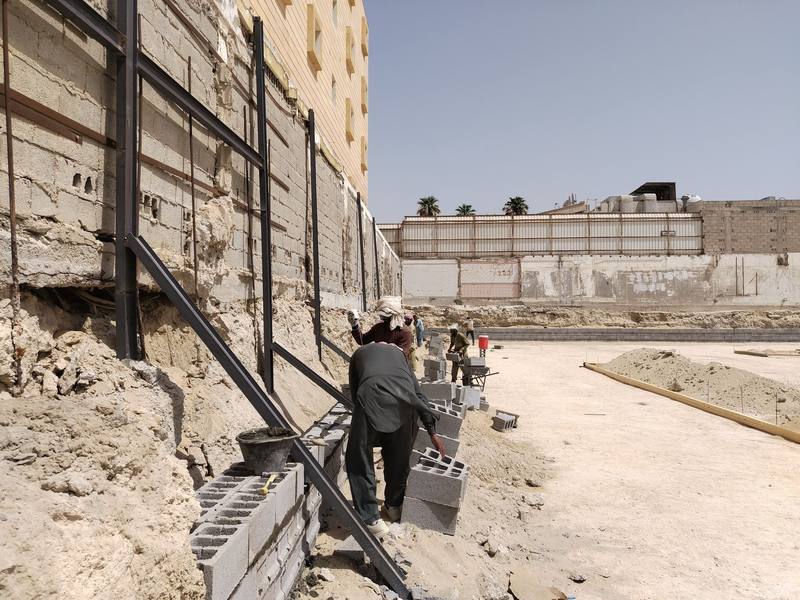
Retaining Wall Installation
New walls engineered for the slope, with drainage and compacted base, in block, stone, timber or concrete.
Learn more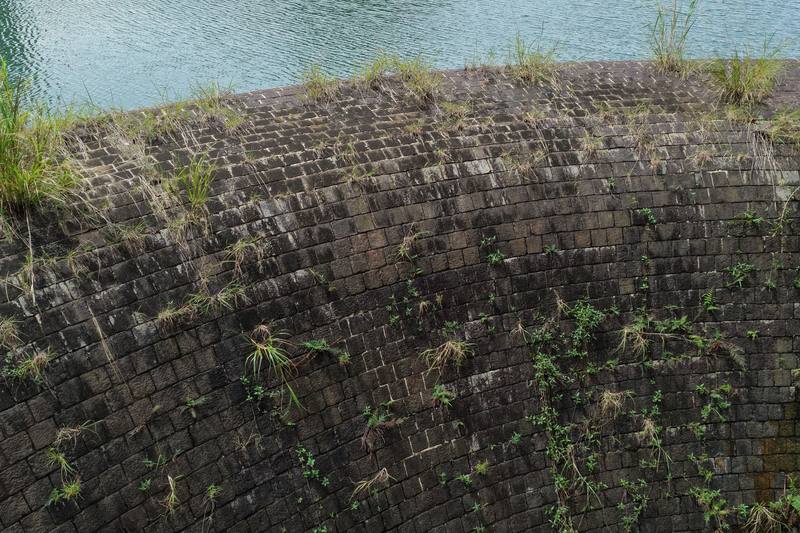
Retaining Wall Repair
Leaning, bulging or cracked walls assessed and rebuilt from the failed section out.
Learn more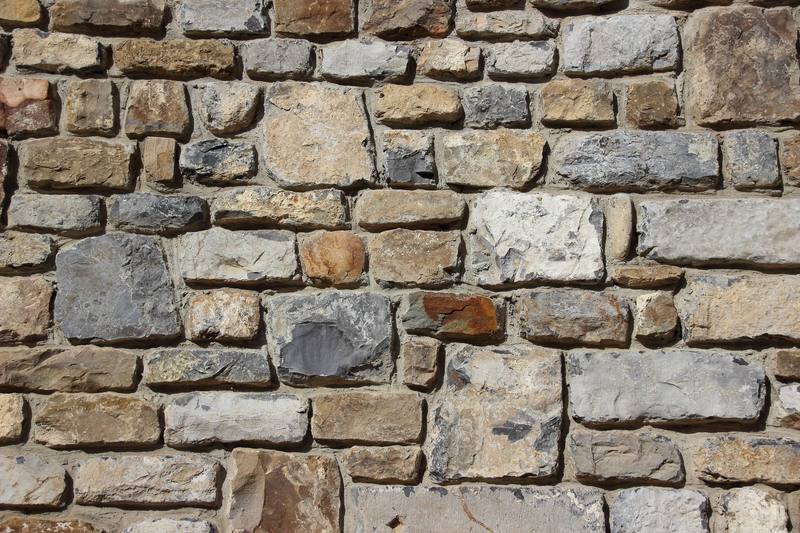
Block Retaining Walls
Segmental concrete block walls with geogrid where the height calls for it.
Learn more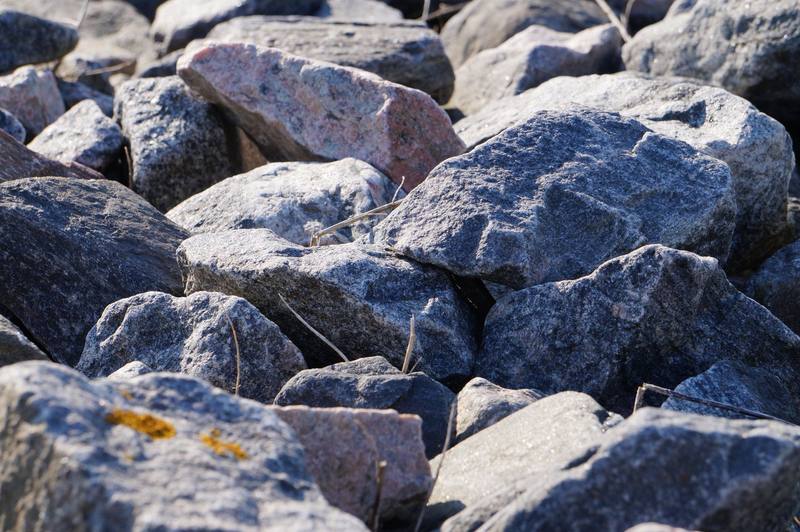
Boulder Retaining Walls
Natural stone set with an excavator for slopes, creek banks and large yards.
Learn more
Timber Retaining Walls
Treated timber walls for gardens and terraces, deadmen tied back into the slope.
Learn more
Concrete Leveling
Sunken slabs, steps and walks lifted back to level instead of replaced.
Learn more
Mudjacking
Slurry pumped under settled concrete to raise it and fill the void beneath.
Learn more
Sidewalk Repair
Trip edges and broken sections lifted, ground or replaced.
Learn more
Emergency Retaining Wall Repair
When a wall starts leaning, cracking or shedding soil after a storm, we come out quickly during business hours and tell you plainly what has to happen first.
Learn more
Get Started
Tell us about your slope or wall
Call us or send a short note with a photo of the area. We will set up a visit, look at the soil and drainage, and give you a written estimate.