Retaining Walls in Marietta, GA
We build and repair retaining walls and level sunken concrete for homeowners in Marietta, GA.
Marietta yards are often cut into slopes and sit on heavy red clay, so retaining walls here have a lot of work to do. We install new walls, repair failing ones and lift sunken slabs and walkways. Call us, and we will come out, look at your wall and explain what we find.
Marietta ground and what it asks of a wall
Much of Marietta sits on rolling ground, and a lot of yards here were cut into a slope when the house was built. The soil is mostly Georgia red clay. Clay holds water. It swells when it is wet and shrinks when it dries, and that movement pushes on anything built to hold it back. Heavy summer thunderstorms and long wet spells in winter add to it. For much of the year, a retaining wall in Marietta is holding back soil that is heavy and full of water.
The housing stock varies a lot across the city. Older homes near the Square and on the streets around it often have short stone or brick walls, built before people routinely put drainage behind a wall. Ranch and split-level houses from the middle of the last century often have timber walls along a driveway or a terraced backyard, and many of those are close to the end of their life. Newer subdivisions tend to have segmental block walls, some of them tall, holding back the fill that was used to level a lot. Each type fails in its own way, so the first step is knowing which one you have.
What to look for, and what usually causes it
Walk the length of your wall after a hard rain. Look for the top of the wall leaning forward, a bulge partway up, blocks that have shifted out of line, stair-step cracks through mortar joints, soil washing out at the base or through the joints, and water pooling behind the wall or seeping through its face. On a timber wall, push a screwdriver into the lower ties. If it sinks in easily, the wood is rotting.
In most cases the cause is water. A wall that holds back clay needs gravel behind it and a way for water to get out, usually a perforated drain pipe at the base or weep holes through the face. If that drainage is missing or clogged, pressure builds after every storm. Other common causes are a shallow or missing base, a wall built taller than its design allows, tree roots, and downspouts that empty right above the wall. Nearby concrete slabs, like a walkway or patio, often sink for the same reason: water has washed out or softened the soil underneath.
Services we offer in Marietta
Retaining Wall Installation covers new walls, whether you are terracing a backyard, holding back a cut beside a driveway or replacing a wall that has failed. If a wall is still mostly sound, Retaining Wall Repair covers resetting shifted sections, rebuilding a failed corner, and adding or clearing drainage.
We build Block Retaining Walls from segmental concrete units. They suit most suburban yards and can be stepped or curved. Boulder Retaining Walls use large natural stone and fit wooded lots and steeper grades, which Marietta has plenty of. Timber Retaining Walls are a lower, simpler option for garden beds and short changes in grade, and we also repair or replace older timber walls.
For concrete, Concrete Leveling and Mudjacking lift a sunken slab back into place by filling the void underneath it. That is often a sensible alternative to tearing the slab out and pouring a new one. Sidewalk Repair covers cracked, heaved or sunken sections of walkway. Emergency Retaining Wall Repair is for a wall that has partly collapsed or is moving quickly. We take those calls during our business hours. We do not offer after-hours service, so if a wall starts to fail at night, keep people and cars away from it and call us first thing in the morning.
Repair or replace
A wall with one leaning section, a clogged drain or a few displaced blocks can usually be repaired. If the base is sound and the rest of the wall is straight, it makes sense to fix the damaged part and leave the rest alone. Replacement is the better choice when the whole wall is leaning, when rot runs along most of a timber wall, when the wall was built without drainage and adding it is not practical, or when the wall is holding back more soil than it was designed for. Tall walls need extra care. Above a certain height, a wall may need engineering and a permit, and we will tell you before any work is planned if yours falls into that category. If a repair will do the job, we will say so and not push you toward a new wall.
What a visit looks like
At a Marietta property, we start by walking the wall with you and asking what you have noticed and when it started. We look at how the wall leans, where water goes when it rains, whether there is drainage behind it and whether that drainage works, and what sits above the wall, such as a driveway, a patio or the house. We also check nearby slabs for settling. We may dig a small test hole at the base or probe behind the wall to see what it is built on. Before we leave, we explain what we think is causing the problem and walk you through the options, from the simplest fix to a full rebuild. You get a written estimate, and no work starts until you approve it. If the job needs a utility locate or a permit, we tell you that at the start.
How to book
Call us at (404) 010-0005, email info@retainingwallsandysprings.com or use the Request a Wall Estimate button on this page. We are based in Sandy Springs and work in Marietta regularly. Our hours are 7:00 AM to 7:00 PM Monday to Friday and 8:00 AM to 5:00 PM on Saturday. We are closed on Sunday. If you can, send a few photos of the wall taken from the front and from the side, and tell us roughly how tall and how long it is. That way we can come prepared, and the estimate from the first visit will be more useful.
About Marietta: Marietta, GA on Wikipedia · Marietta on Google Maps
Services
Services in Marietta, GA
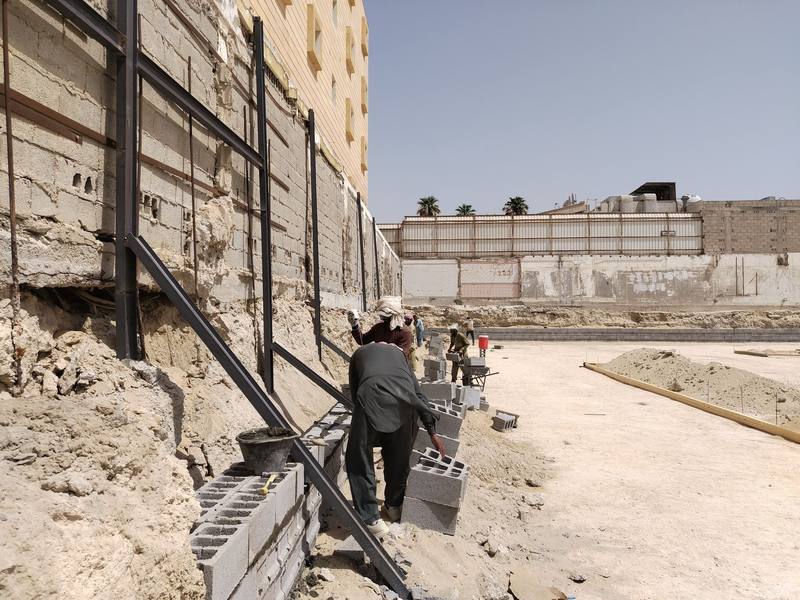
Retaining Wall Installation
New walls engineered for the slope, with drainage and compacted base, in block, stone, timber or concrete.
Learn more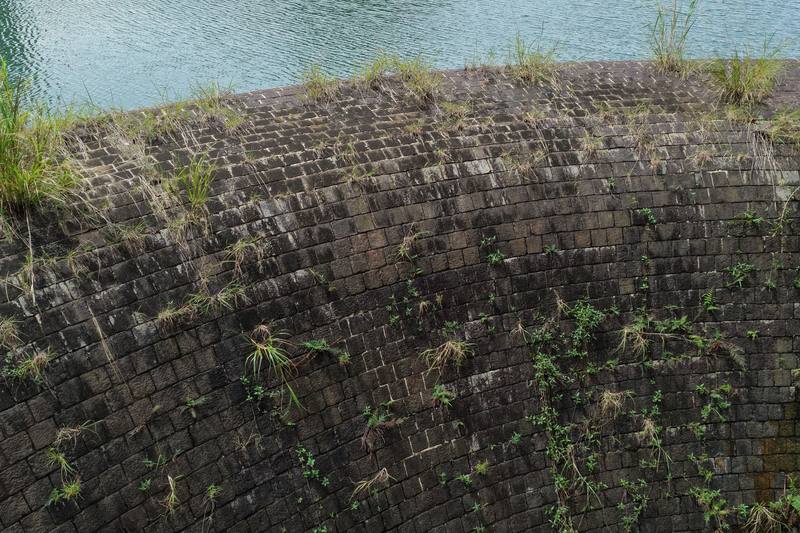
Retaining Wall Repair
Leaning, bulging or cracked walls assessed and rebuilt from the failed section out.
Learn more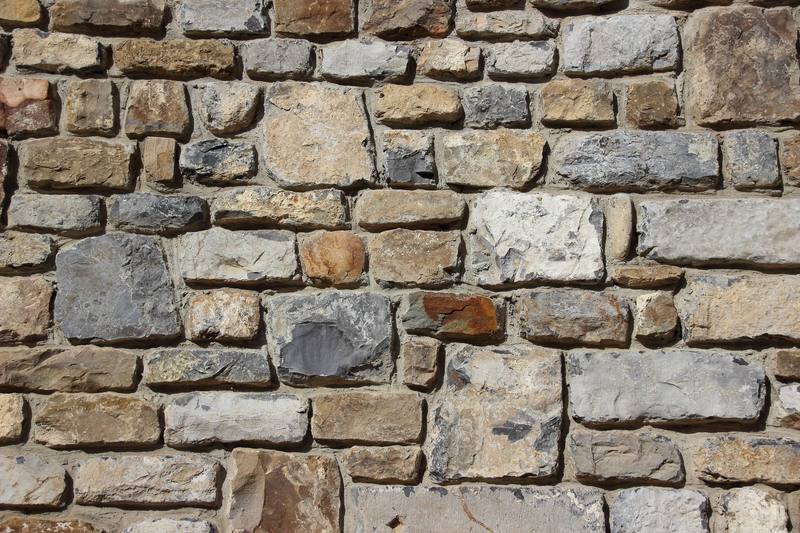
Block Retaining Walls
Segmental concrete block walls with geogrid where the height calls for it.
Learn more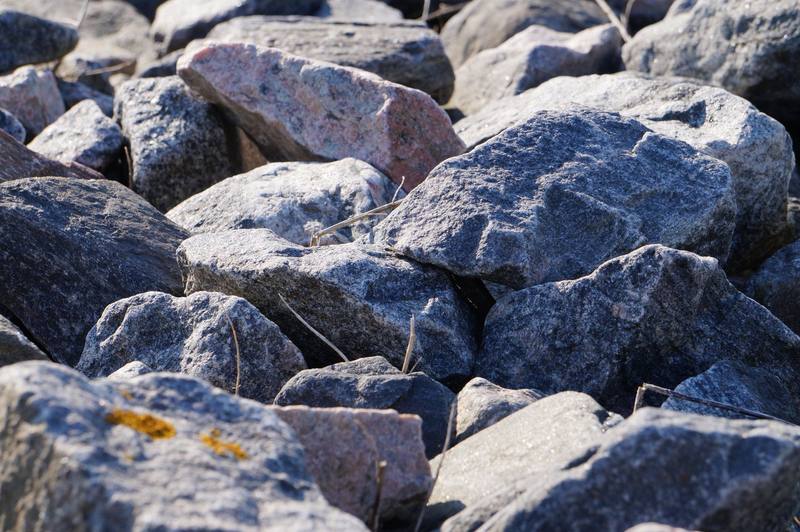
Boulder Retaining Walls
Natural stone set with an excavator for slopes, creek banks and large yards.
Learn more
Timber Retaining Walls
Treated timber walls for gardens and terraces, deadmen tied back into the slope.
Learn more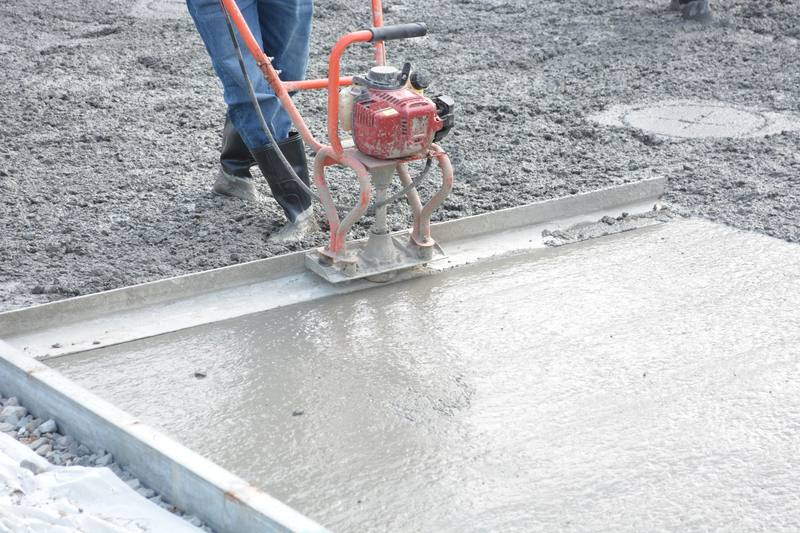
Concrete Leveling
Sunken slabs, steps and walks lifted back to level instead of replaced.
Learn more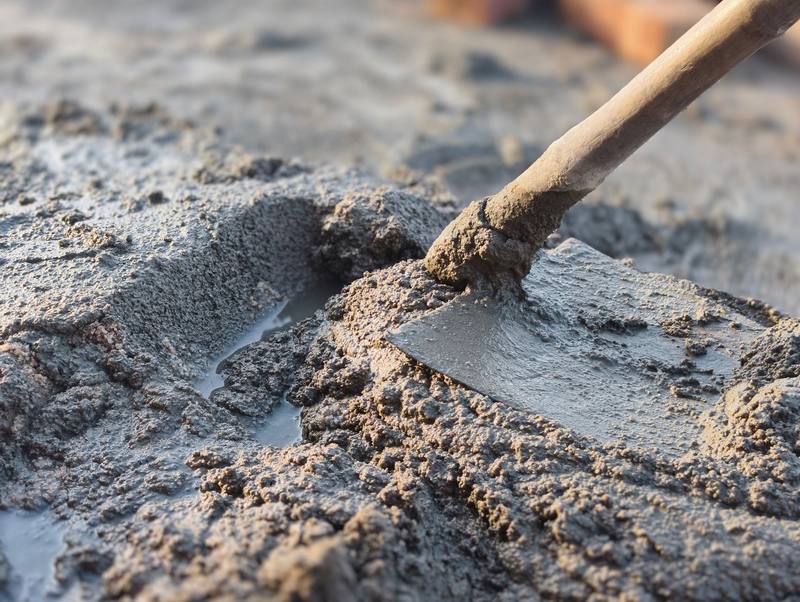
Mudjacking
Slurry pumped under settled concrete to raise it and fill the void beneath.
Learn more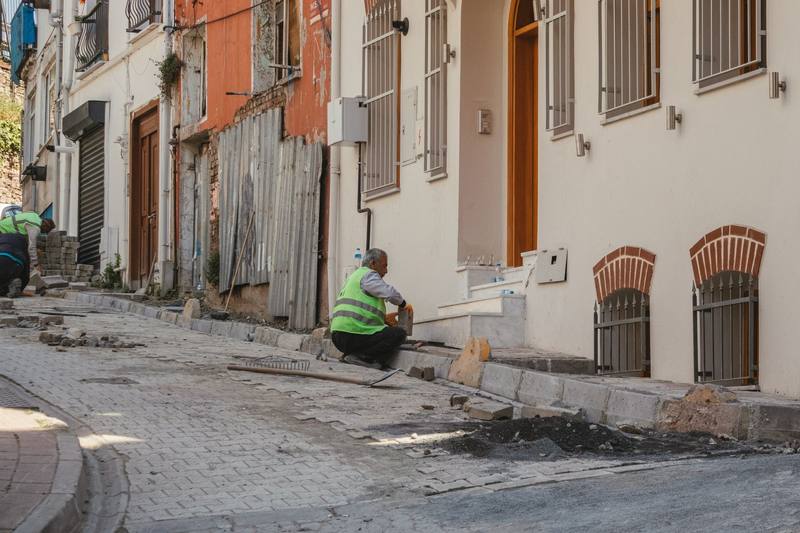
Sidewalk Repair
Trip edges and broken sections lifted, ground or replaced.
Learn more
Emergency Retaining Wall Repair
When a wall starts leaning, cracking or shedding soil after a storm, we come out quickly during business hours and tell you plainly what has to happen first.
Learn more
Get Started
Tell us about your slope or wall
Call us or send a short note with a photo of the area. We will set up a visit, look at the soil and drainage, and give you a written estimate.