Retaining Walls in Johns Creek, GA
Retaining wall installation, repair and concrete leveling for Johns Creek homes, from a company based nearby in Sandy Springs.
Many Johns Creek homes sit on sloped, wooded lots, and a retaining wall is often what holds the yard in place. We build new walls, repair walls that lean or drain badly, and fix the sunken concrete around them. Below you'll find what we look for in Johns Creek yards and what happens when you call us.
Johns Creek yards and the ground under them
Most of Johns Creek is neighborhoods built from the 1980s onward. Many of the lots roll and are wooded, and they often drop toward a creek or the Chattahoochee River. Builders graded each lot to fit a house, a driveway and a flat patch of lawn, and they often held back the leftover slope with a wall. Some of those walls were built well. Others were stacked quickly from whatever material was cheapest, and after a few decades they are starting to show it.
The soil matters just as much. Much of north Fulton sits on red clay. Clay holds water, swells when it is wet and shrinks when it dries, so it pushes on a wall every season. Add the heavy summer thunderstorms that roll through the area and the occasional hard freeze in winter, and a wall here works harder than most owners expect.
In Johns Creek we mostly see backyard terraces, walls along sloped driveways, timber walls around patios and short block walls edging garden beds. Each type fails in its own way, but the cause usually comes back to water.
What usually goes wrong
The most common problem is water trapped behind the wall. A wall built without gravel backfill, a drain pipe at its base or weep holes has nowhere to send the rain. The clay behind it soaks up the water and the weight builds. You can often see this before the wall moves much: a damp stain on the face, a puddle at the base that never quite dries, or soil washing out through the joints.
Other signs to watch for: the top of the wall leans out further than the bottom. Blocks have shifted forward or cap stones have slid. Timber boards are soft and crumbly, or rusted spikes are working loose. A poured section has cracked, or a slab next to the wall has dropped. The lawn above the wall has sunk in a strip just behind it.
On wooded Johns Creek lots, tree roots cause trouble too. A large root can lift a footing or push a run of blocks out of line. Another one we see often is a downspout pointed straight at the top of a wall. That is usually an easy fix once someone notices it.
Repair or rebuild
A leaning wall doesn't always need to come down. If only a short section has moved, the base is still sound and the drainage behind it can be fixed, a repair is usually the sensible choice. We pull back the blocks that moved, correct the base and drainage, and rebuild that section.
A full rebuild makes more sense when the wall has failed along most of its length, when the timber is rotted through, or when the wall never had drainage and is holding back wet clay along its whole run. In those cases, patching one spot tends to move the problem a few feet down the line. We'll tell you which of these describes your wall and why. If a repair will do the job, we'll say so.
Services available in Johns Creek
Every service we offer is available in Johns Creek. Retaining Wall Installation covers new walls, whether you want to terrace a backyard slope, level a spot for a patio or hold back soil along a driveway. You can pick the material. Block Retaining Walls suit clean lines and curves in a finished yard. Boulder Retaining Walls fit the natural look of a wooded lot. Timber Retaining Walls work for lower garden and landscape walls.
Retaining Wall Repair is for walls that lean, bulge, shed blocks or drain poorly. Emergency Retaining Wall Repair is for a wall that has partly collapsed or clearly looks about to, which often happens after a storm. We take those calls during business hours and try to get out to them first. We don't offer after-hours service. If a wall comes down at night or on a Sunday, keep people and pets away from it and call us the next morning.
We also work on the concrete around walls. Concrete Leveling and Mudjacking raise sunken slabs, such as a patio or a section of driveway that has settled, by pumping material underneath to lift them back into place. Sidewalk Repair covers cracked, lifted or sunken walkways, including the path that often runs beside a garden wall.
What a visit looks like
A visit starts with a walk along the wall. We look at the face, the cap, the base and the ground above and below it. We also check where the water is coming from, whether that's a downspout, the slope of your lawn or a neighbor's yard. Then we ask what you've noticed and when. A wall that moved after one big storm tells a different story from one that has crept forward for years.
A wall that is tall, holds up a driveway or sits close to the house may need a permit or an engineered design before any work starts. We'll tell you if we think yours does. If your neighborhood has a homeowners association, check its rules on materials and appearance before a new wall goes in.
After the visit we go over what we found, what we'd do and which material we'd suggest, and why. There's no rush to decide on the spot.
How to book
Call us at (404) 010-0005, email info@retainingwallsandysprings.com, or use the Request a Wall Estimate button on this page. We're based in Sandy Springs and serve Johns Creek along with the other nearby north Fulton communities. Our hours are Monday to Friday, 7:00 AM to 7:00 PM, and Saturday, 8:00 AM to 5:00 PM. We're closed on Sunday.
When you get in touch, a few photos of the wall help a lot. So does a rough idea of its height and length, and how long it has looked the way it does now.
About Johns Creek: Johns Creek, GA on Wikipedia · Johns Creek on Google Maps
Services
Services in Johns Creek, GA
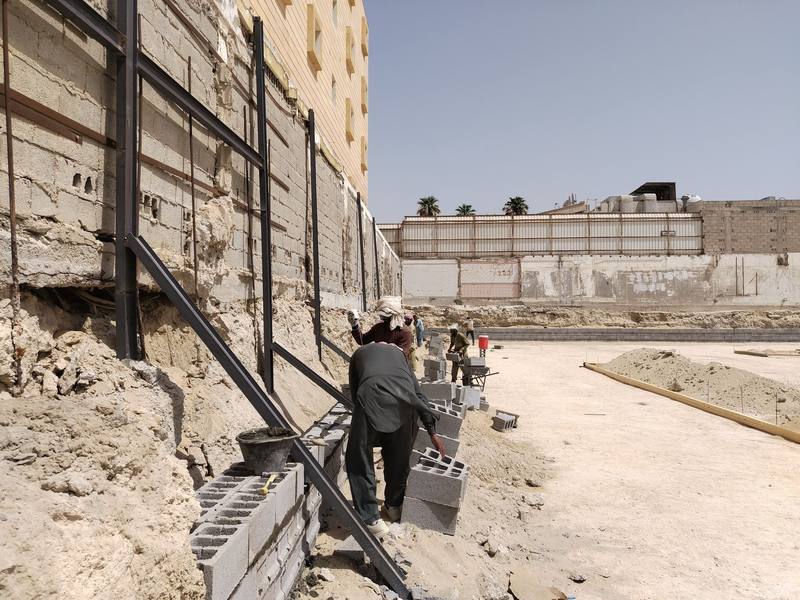
Retaining Wall Installation
New walls engineered for the slope, with drainage and compacted base, in block, stone, timber or concrete.
Learn more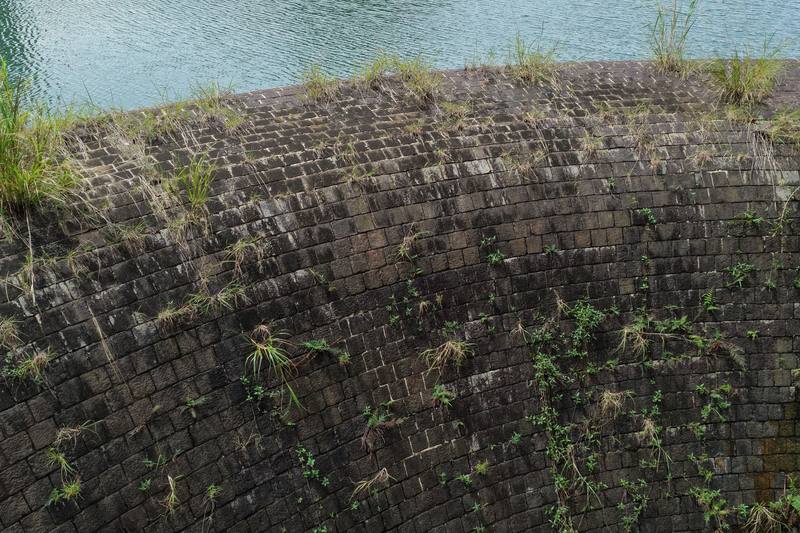
Retaining Wall Repair
Leaning, bulging or cracked walls assessed and rebuilt from the failed section out.
Learn more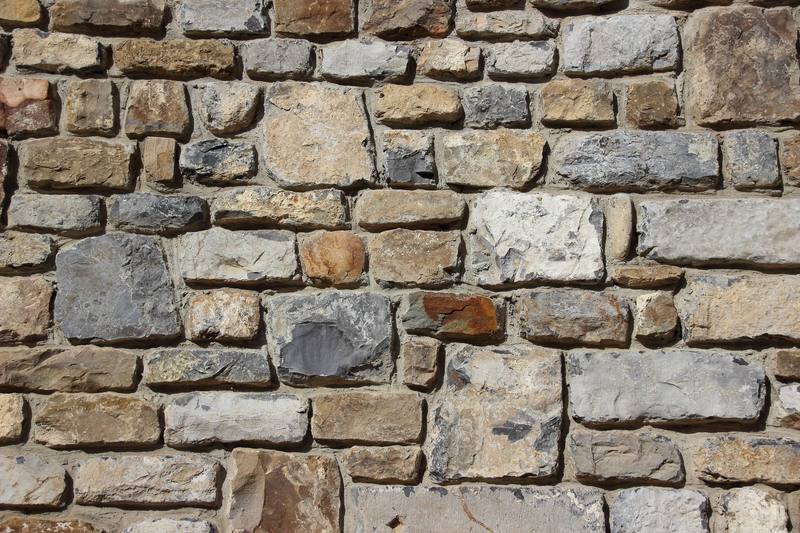
Block Retaining Walls
Segmental concrete block walls with geogrid where the height calls for it.
Learn more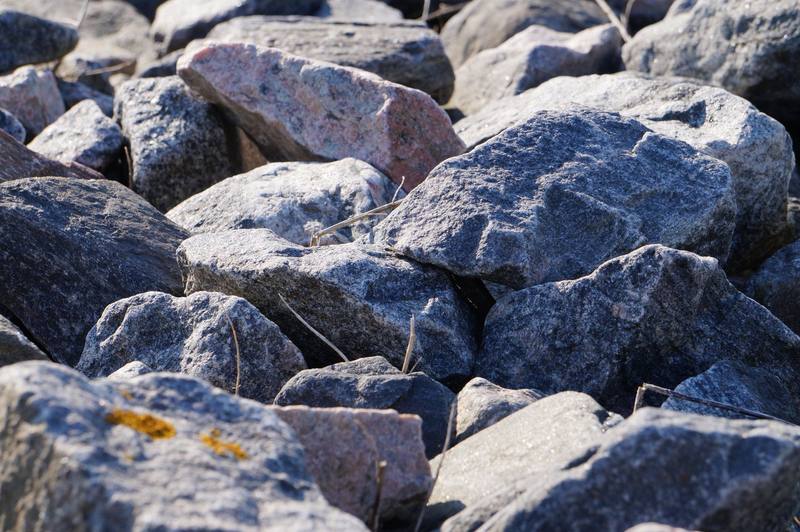
Boulder Retaining Walls
Natural stone set with an excavator for slopes, creek banks and large yards.
Learn more
Timber Retaining Walls
Treated timber walls for gardens and terraces, deadmen tied back into the slope.
Learn more
Concrete Leveling
Sunken slabs, steps and walks lifted back to level instead of replaced.
Learn more
Mudjacking
Slurry pumped under settled concrete to raise it and fill the void beneath.
Learn more
Sidewalk Repair
Trip edges and broken sections lifted, ground or replaced.
Learn more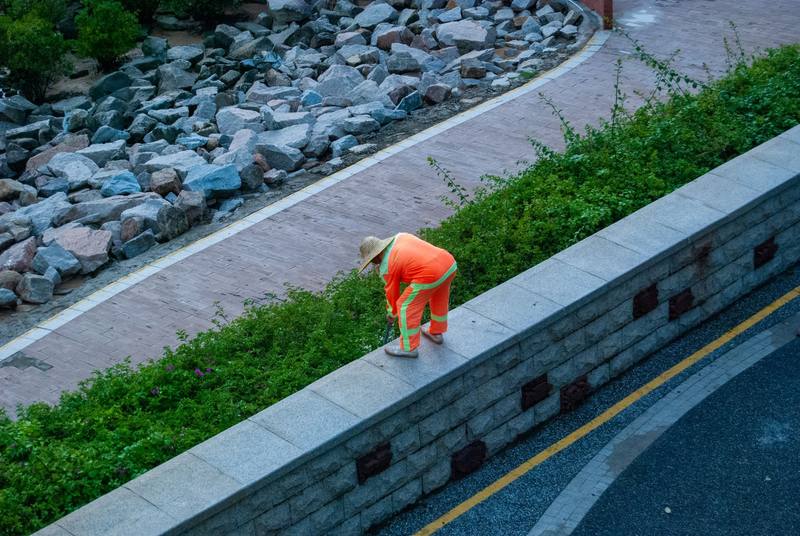
Emergency Retaining Wall Repair
When a wall starts leaning, cracking or shedding soil after a storm, we come out quickly during business hours and tell you plainly what has to happen first.
Learn more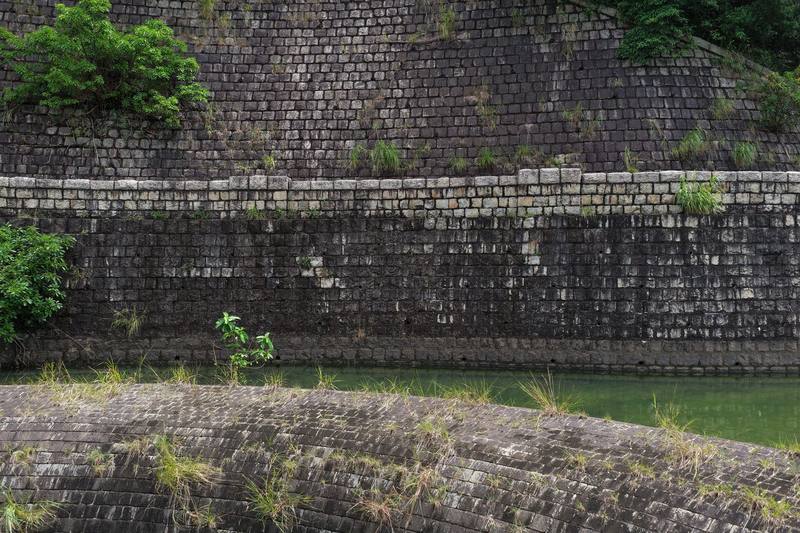
Get Started
Tell us about your slope or wall
Call us or send a short note with a photo of the area. We will set up a visit, look at the soil and drainage, and give you a written estimate.