Retaining Walls in Alpharetta, GA
We build, repair and level retaining walls, walkways and slabs for homeowners across Alpharetta.
Many Alpharetta yards are cut into slopes, and the walls holding those slopes back have to deal with heavy clay soil and hard summer rain. We install new walls, repair ones that have started to lean or bulge, and fix the sunken concrete that often shows up next to them. If something in your yard looks like it is moving, we can come out, look at it and tell you plainly what we see.
What Alpharetta soil and weather do to a wall
Most of Alpharetta sits on rolling ground with Georgia red clay under the topsoil. Clay holds water. When it is wet it gets heavy and swells, and when it dries out in late summer it shrinks and cracks. A retaining wall has to hold back that soil through every one of those cycles, year after year.
The weather adds to it. Summer thunderstorms here can drop a lot of rain in a short time, and if the water has nowhere to go it builds up behind the wall. That trapped water pushes on the wall far harder than dry soil does. Winters are usually mild, but the freezes we do get can open small cracks in concrete and mortar a little wider each year.
The housing stock matters too. A lot of Alpharetta neighborhoods were built on graded lots, with segmental block walls along driveways, between terraced back yards and at the edge of cul-de-sacs. Many of those walls are now old enough that the drainage behind them has clogged, or the base has settled. Older homes and wooded lots near the creeks often have timber walls, and timber has a lifespan of its own. None of this means a wall is failing, but it is why we look closely at drainage on every visit.
Signs worth checking in your own yard
Walk the length of your wall and look at it from the end, not just the front. A wall that leans toward the downhill side, or has a belly that bulges out in the middle, is moving. Look for blocks that have shifted out of line, caps that have slid off, and cracks that run diagonally or get wider toward the top.
Check the ground too. Soil washing out from the bottom of the wall, a constant wet patch at the base, or a gap opening between the wall and the soil behind it all point to a water problem. On timber walls, push a screwdriver into the lower timbers. If it sinks in easily, the wood is rotting.
Also look at the concrete near the wall. A driveway, patio or sidewalk that has sunk, tilted or pulled away from the house is often caused by the same thing: water moving soil where it should not be. Small hairline cracks are common and usually not urgent. Movement you can see getting worse from one month to the next is worth a call.
Services available in Alpharetta
Retaining Wall Installation covers a new wall from the ground up: digging out, a compacted gravel base, drainage stone and pipe behind the wall, and the wall itself. The drainage is the part you never see and the part that decides how long the wall lasts.
Retaining Wall Repair is for a wall that is leaning, bulging or losing blocks. Sometimes a section can be taken down and rebuilt on a proper base with new drainage. Sometimes the wall has moved too far and replacing it is the better use of your money. We will tell you which one we think it is and why.
Block Retaining Walls are the most common type in Alpharetta subdivisions. They suit terraced back yards and driveway cuts, and individual blocks can be reset when a section shifts. Boulder Retaining Walls use large natural stone and fit wooded lots and larger slopes where a more natural look makes sense. Timber Retaining Walls cost less to build and suit low garden walls, but wood rots over time, so we will be honest about when a timber wall is near the end of its life.
Concrete Leveling and Mudjacking lift a sunken slab back into place by pumping material underneath it, instead of tearing it out and pouring new. This works well for driveways, patios and walkways that dropped but are still in one piece. Sidewalk Repair handles walks with trip edges, broken panels or sections that have heaved.
Emergency Retaining Wall Repair is for a wall that has partly collapsed, or is pushing toward a house, driveway or walkway. We do not run an after-hours line, so call us during our hours, tell us it is urgent, and we will do what we can to get someone out quickly. If a wall looks unstable, keep people and cars away from it until it has been looked at.
What a visit looks like
We start by walking the wall with you. We look at how it leans, what it is built from, where water comes from above it and where it goes after a storm. We check the concrete around it and look for signs of the problem showing up somewhere else on the lot.
If you have them, old plans or photos from when the wall was built are helpful, because they can show whether drainage was installed. If you have noticed the wall changing, tell us when it started and whether it gets worse after heavy rain.
After that we explain what we think is going on in plain terms and what our options are: repair a section, rebuild, replace with a different type of wall, or leave it alone and watch it. Not every crack needs work. When work does make sense, we put the scope in writing so you know what is included before anything starts.
How to book an estimate in Alpharetta
Call us at (404) 010-0005 or email info@retainingwallsandysprings.com. We answer Monday to Friday from 7:00 AM to 7:00 PM and Saturday from 8:00 AM to 5:00 PM. We are closed on Sunday.
When you get in touch, tell us your address, what kind of wall or concrete it is, and what you have noticed. A few photos taken from the front and from the end of the wall help us understand the problem before we arrive. We are based in nearby Sandy Springs, and we also work in Roswell, Johns Creek, Dunwoody and the other communities around Alpharetta. Use the Request a Wall Estimate button on this page and we will get back to you to set a time.
About Alpharetta: Alpharetta, GA on Wikipedia · Alpharetta on Google Maps
Services
Services in Alpharetta, GA
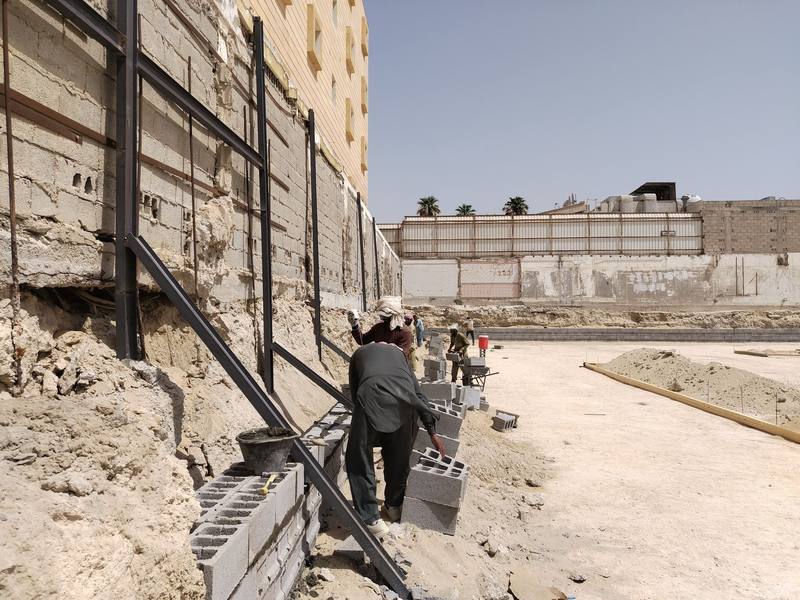
Retaining Wall Installation
New walls engineered for the slope, with drainage and compacted base, in block, stone, timber or concrete.
Learn more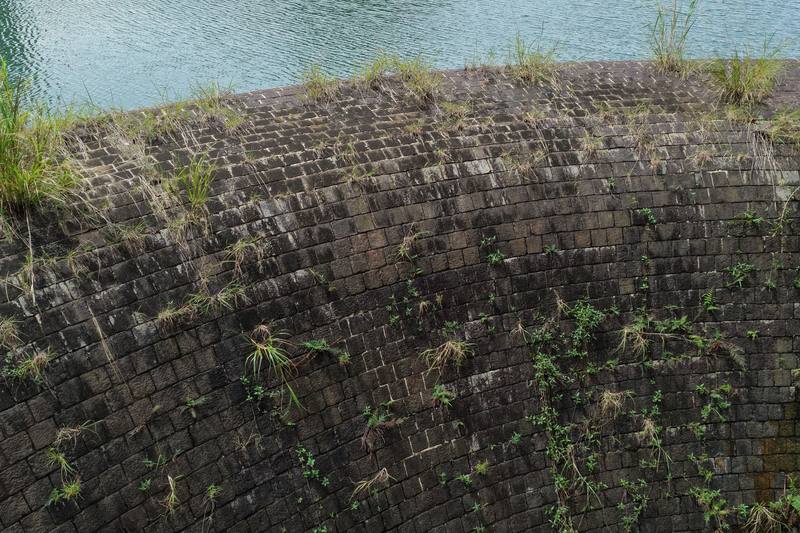
Retaining Wall Repair
Leaning, bulging or cracked walls assessed and rebuilt from the failed section out.
Learn more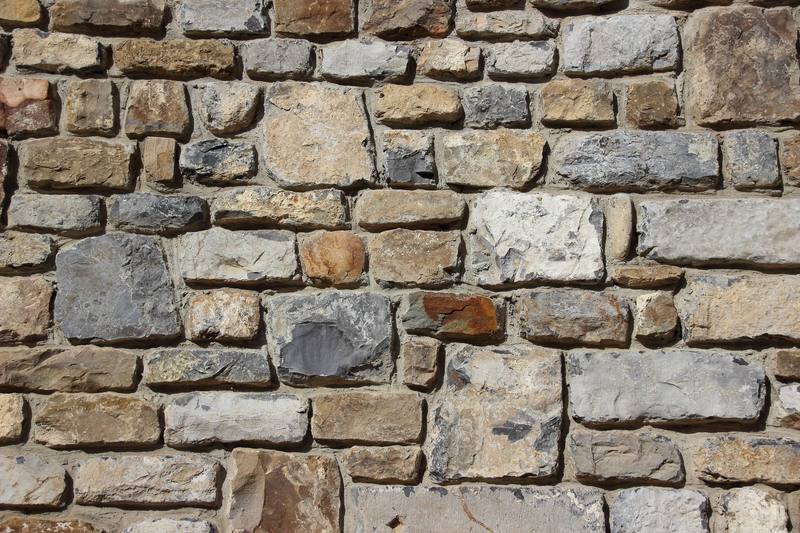
Block Retaining Walls
Segmental concrete block walls with geogrid where the height calls for it.
Learn more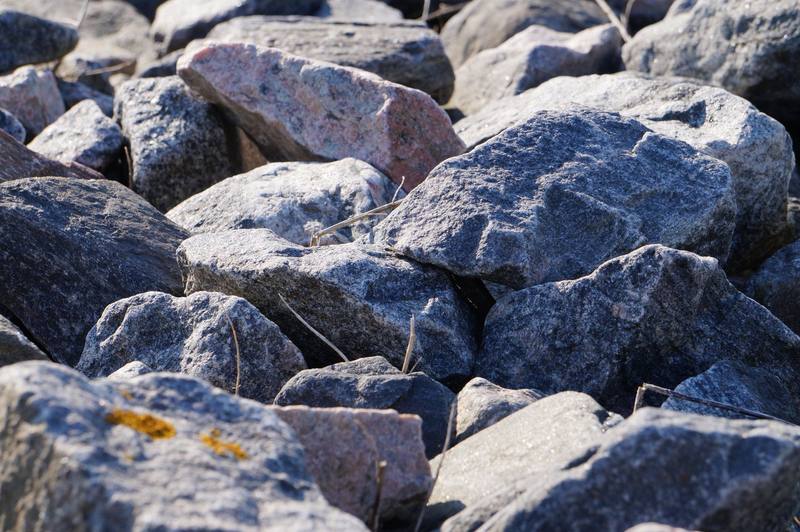
Boulder Retaining Walls
Natural stone set with an excavator for slopes, creek banks and large yards.
Learn more
Timber Retaining Walls
Treated timber walls for gardens and terraces, deadmen tied back into the slope.
Learn more
Concrete Leveling
Sunken slabs, steps and walks lifted back to level instead of replaced.
Learn more
Mudjacking
Slurry pumped under settled concrete to raise it and fill the void beneath.
Learn more
Sidewalk Repair
Trip edges and broken sections lifted, ground or replaced.
Learn more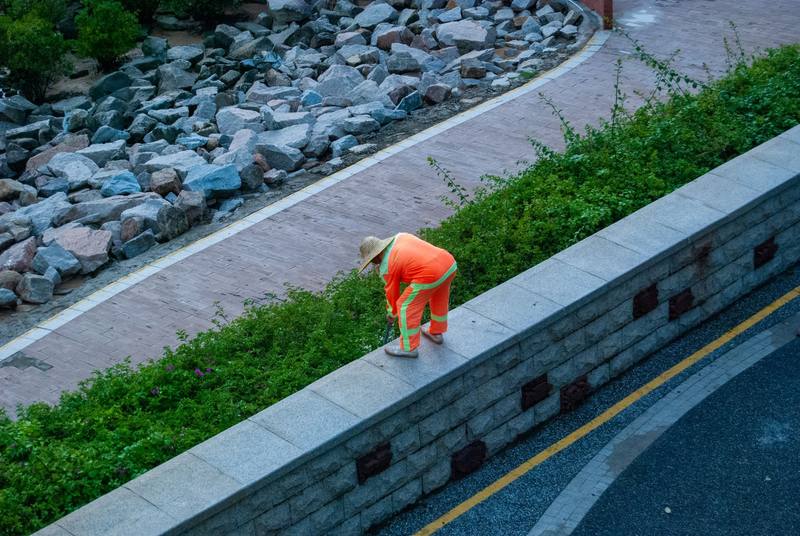
Emergency Retaining Wall Repair
When a wall starts leaning, cracking or shedding soil after a storm, we come out quickly during business hours and tell you plainly what has to happen first.
Learn more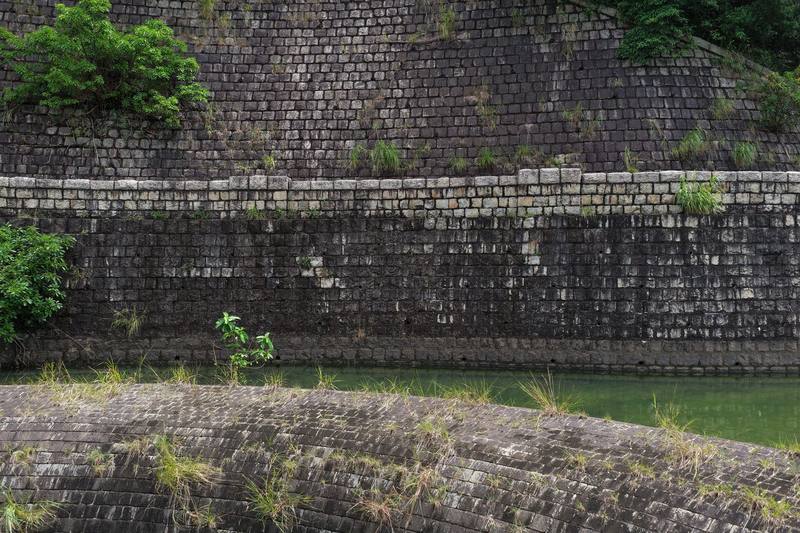
Get Started
Tell us about your slope or wall
Call us or send a short note with a photo of the area. We will set up a visit, look at the soil and drainage, and give you a written estimate.