Retaining Walls in Buckhead, GA
We build, repair and replace retaining walls on Buckhead's sloped lots, and fix the concrete around them.
Many Buckhead homes sit on hillsides, and a retaining wall holds up the driveway, the patio or the back yard. When one of those walls starts to lean, crack or wash out, we can look at it and tell you what is going on. We also handle concrete leveling, mudjacking and sidewalk repair.
Why walls in Buckhead work hard
Buckhead is built on hills. Many lots step down from the street, with a driveway cut into one slope and a back yard held up by another. That means a lot of homes here depend on a retaining wall. Many of those walls went in when the house was built, and some of them are decades old.
The soil does most of the damage. Much of the Atlanta area sits on red clay, which holds water and gets heavy when it is wet. After a summer thunderstorm, the clay behind a wall can stay soaked for days, and the whole time that water is pushing on the wall. A wall with gravel and a drain pipe behind it lets the water out. A wall without them takes the full weight, and over the years it starts to lean.
Mature trees add to the problem. Large oaks and other hardwoods shade many Buckhead yards, and their roots can lift footings, crack mortar and push blocks out of line. Winters here are mild, but the occasional hard freeze can still widen cracks that already let water in.
What to look for in your own wall
Walk the length of the wall and also look at it from one end. A lean is much easier to see from the end than from the front. Things worth noting:
- The top of the wall tipping outward, or a bulge partway along it. - Cracks running through blocks or mortar, especially ones that get wider over a season. - Soil, sand or gravel washing out from the face or the bottom of the wall. - Water pooling behind the wall, or soggy ground along the top after rain. - On timber walls, wood soft enough to push a screwdriver into, or ties pulling loose. - Gaps opening between the wall and a driveway, patio or set of steps.
A hairline crack in an old mortared wall is not always a problem. Movement is. If you can, take a photo from the same spot every few weeks. Those photos help us tell whether a wall has settled and stopped or is still moving.
Repair or replace
A tired wall does not always need to come down. If the wall is still plumb and the problem is in one place, such as a few loose cap stones, one section with blocked drainage or a short run of rotted timbers, repairing it is usually the sensible choice. We can reset blocks, clear or add drainage and rebuild the damaged length.
Replacement makes more sense when the whole wall leans, when it was built with no drainage behind it, or when it is a timber wall near the end of its life. Timber walls tend to fail all at once rather than a board at a time, because the rot starts behind the face where you cannot see it.
Height matters too. A knee-high garden wall and a tall wall under a driveway are very different jobs. Taller walls can need reinforcement, an engineer's design and a permit, and because Buckhead is part of the City of Atlanta, that is where the permit review would happen. If we think your wall falls into that group, we will tell you on the first visit.
What we do in Buckhead
We offer the same services in Buckhead as in the rest of our area:
- Retaining Wall Installation: new walls for slopes, terraced beds, driveways and flat yard space. - Retaining Wall Repair: resetting, rebuilding and fixing the drainage on walls that have moved or cracked. - Block Retaining Walls: segmental block walls with gravel backfill and drainage built in. - Boulder Retaining Walls: natural stone walls that suit wooded lots and larger slopes. - Timber Retaining Walls: new timber walls, and replacements for old ones that have rotted. - Concrete Leveling: lifting sunken slabs back toward level. - Mudjacking: pumping a slurry under settled concrete to raise it and fill the gap underneath. - Sidewalk Repair: fixing cracked, lifted or sunken walkways. - Emergency Retaining Wall Repair: for a wall that is actively failing.
Here the concrete work often goes with the wall work. When a wall moves, the patio or walk above it tends to settle too, so it can make sense to look at both on the same visit. If a wall is moving, call during business hours and tell us. We do not offer after-hours service, so if a wall gives way at night, keep people and cars away from it and call us in the morning.
What a visit looks like and how to book
We start by walking the wall with you. We look at the face, the top and the base, check where the water goes when it rains, and note what sits above and below the wall, such as a driveway, a pool deck or a fence line. On a steep Buckhead lot we also look at access, because the way we get block, stone or equipment to the back of a property can change how a job is done.
Then we tell you what we think is causing the problem and what we would do about it. If a repair will hold, we say so. If the wall needs to be rebuilt, we explain why. After that we put together an estimate for you to review.
To book, call (404) 010-0005 or email info@retainingwallsandysprings.com. We are open Monday to Friday from 7:00 AM to 7:00 PM and Saturday from 8:00 AM to 5:00 PM. We are closed Sunday. It helps if you send photos of the wall from the front and from one end. When you are ready, use the Request a Wall Estimate button and tell us a little about the wall.
About Buckhead: Buckhead, GA on Wikipedia · Buckhead on Google Maps
Services
Services in Buckhead, GA
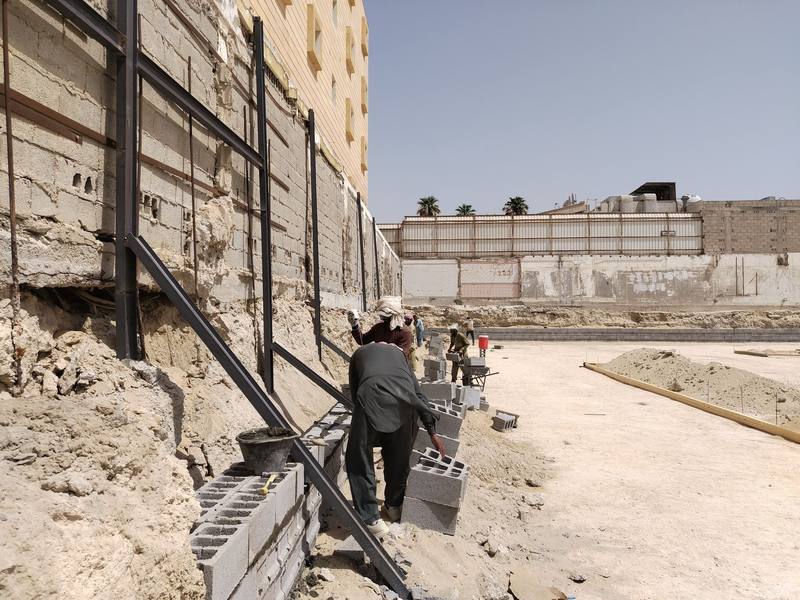
Retaining Wall Installation
New walls engineered for the slope, with drainage and compacted base, in block, stone, timber or concrete.
Learn more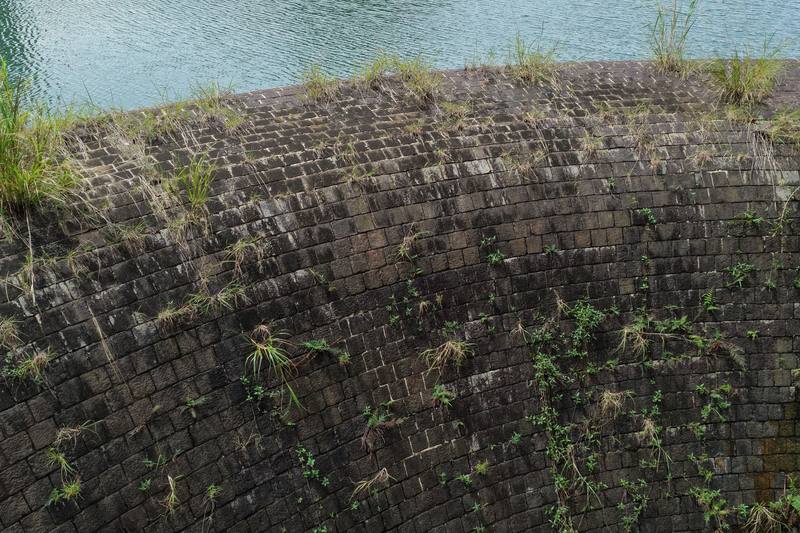
Retaining Wall Repair
Leaning, bulging or cracked walls assessed and rebuilt from the failed section out.
Learn more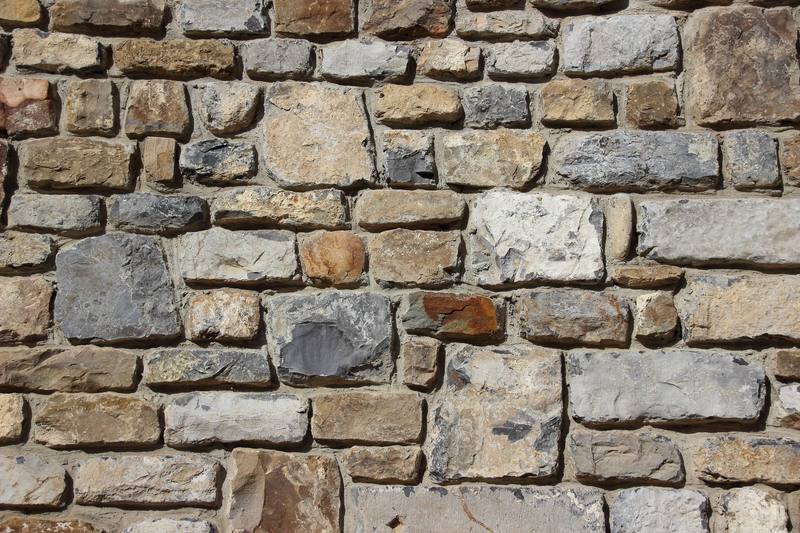
Block Retaining Walls
Segmental concrete block walls with geogrid where the height calls for it.
Learn more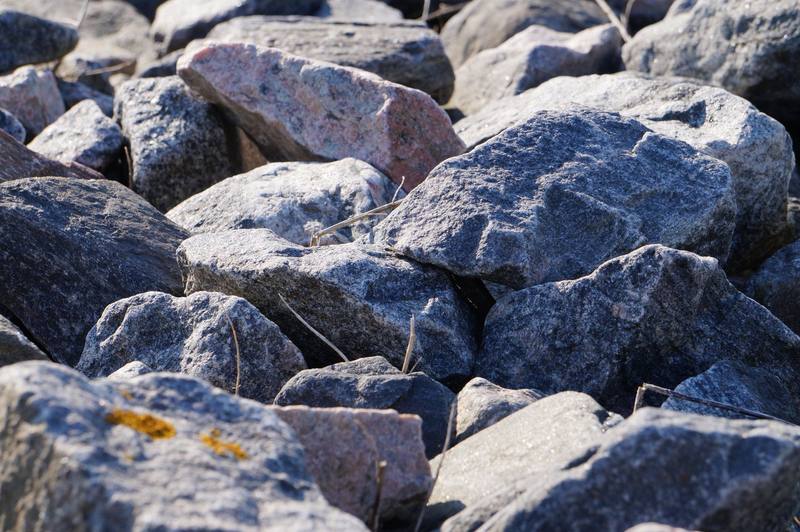
Boulder Retaining Walls
Natural stone set with an excavator for slopes, creek banks and large yards.
Learn more
Timber Retaining Walls
Treated timber walls for gardens and terraces, deadmen tied back into the slope.
Learn more
Concrete Leveling
Sunken slabs, steps and walks lifted back to level instead of replaced.
Learn more
Mudjacking
Slurry pumped under settled concrete to raise it and fill the void beneath.
Learn more
Sidewalk Repair
Trip edges and broken sections lifted, ground or replaced.
Learn more
Emergency Retaining Wall Repair
When a wall starts leaning, cracking or shedding soil after a storm, we come out quickly during business hours and tell you plainly what has to happen first.
Learn more
Get Started
Tell us about your slope or wall
Call us or send a short note with a photo of the area. We will set up a visit, look at the soil and drainage, and give you a written estimate.