How do you drain water from behind a retaining wall?
You give the water a way out: clean gravel backfill behind the wall, a perforated drain pipe at the base that carries water to a safe outlet, filter fabric to keep soil out of the gravel, and weep holes or a surface swale where they suit the wall.
Water behind a retaining wall is the main reason walls lean, bulge and crack. The soil itself is rarely the problem. The problem is the weight of wet soil and trapped water pressing on the back of the wall after every heavy rain. Here is how drainage works, what to look for on your own property in Sandy Springs, and when the fix is bigger than a weekend job.
The short answer: give water a path that is easier than pushing through the wall
A well-drained retaining wall has four parts working together. First, a zone of clean, crushed gravel sits directly behind the wall, usually at least a foot thick, running from the base nearly to the top. Water moves through gravel quickly instead of soaking into the soil and building pressure. Second, a perforated drain pipe runs along the bottom of that gravel, at the back of the wall's base, sloped so water flows toward an outlet. Third, filter fabric wraps the gravel or separates it from the native soil, so fine clay does not wash in and clog it over time. Fourth, the water needs somewhere to go: the pipe exits at the end of the wall, out to daylight on a lower part of the yard, or into a proper storm connection. On timber and some concrete walls, weep holes through the face let water escape at the base as a backup. On top of the wall, a shallow swale or grading that tips water away keeps runoff from pouring straight into the backfill in the first place. If any one of these parts is missing or blocked, water finds the wall instead.
What changes the answer on a real property
The same principles apply everywhere, but the details depend on the yard. Soil type matters most. Much of Sandy Springs sits on red Georgia clay, which holds water and drains slowly. Clay also swells when wet, so a wall backed by clay with no gravel zone is carrying far more load after a storm than it was designed for. Slope matters next. Many lots here are cut into hillsides, with the house, driveway or patio uphill of the wall. That means the wall catches runoff from roofs, downspouts and paved areas, not just rain falling on the soil behind it. A downspout that empties near the top of a wall can undo good drainage on its own. The outlet matters as well. A drain pipe is only useful if it has a lower place to discharge. On a flat lot or a wall along a property line, getting the water out may take more planning than the wall itself. Finally, the wall type matters. Segmental block walls are usually built with gravel and a pipe from the start. Boulder walls drain naturally between stones but still need clean backfill. Timber walls often rely on weep gaps and tend to hide rot where water sits.
What you can check yourself
Start after a good rain, not on a dry afternoon. Walk the length of the wall and look at the base. Is water coming out of the pipe outlet or weep holes? If the soil behind the wall is soaked but nothing is draining, the system is likely clogged or was never installed. Look at the face of the wall. Leaning, bulging in the middle, blocks shifting forward, new cracks, or soil and stains seeping through the joints are all signs of water pressure. Check the top of the wall. Puddles that sit there for a day, or soft ground that squishes underfoot, mean water is collecting where it should be running off. Follow your downspouts and see where they end. Find the outlet of the drain pipe if there is one, and clear leaves, mulch or mud from the end. Pull back any landscaping that has buried weep holes. Small fixes like extending a downspout, regrading a low spot so it sheds water away, or cleaning out an outlet are reasonable homeowner jobs and often make a real difference.
When it needs a professional
Some problems cannot be solved from the surface. If the wall is already leaning or bulging, adding a pipe at the front will not relieve the pressure behind it. The fix usually means opening up the back of the wall, removing the saturated clay, laying fabric and a new pipe, and backfilling with gravel before the wall is reset. On taller walls, walls holding up a driveway or structure, or walls close to a property line, it is worth having someone look at the full picture before any digging. A professional will also check whether the wall has the right base, whether it was built for the height and load it is carrying, and whether drainage alone will solve it or whether part of the wall needs rebuilding. If a wall is moving quickly, if soil is washing out under it, or if a section has already failed, keep people and cars away from the area below it and call for an assessment.
What a visit from us involves
When we look at a wall in Sandy Springs, we start where the water starts. We trace where runoff comes from: roof, downspouts, slopes above, neighbouring yards. Then we look at the wall face, the base, the top and the outlet. Where it helps, we dig a small test hole behind the wall to see what the backfill actually is. From there we can tell you whether the wall needs drainage added, cleaning of an existing system, or a section rebuilt. For walls that are moving or cracking, our Retaining Wall Repair work usually combines resetting the wall with fixing the drainage behind it, since one without the other tends to fail again. If the wall is near the end of its life, Retaining Wall Installation lets us build the gravel zone, fabric and pipe in from the first course, sized for the slope and soil on your lot. Either way, we explain what we found and why we recommend it before any work starts.
A simple rule for any retaining wall
If you remember one thing, make it this: a retaining wall should hold back soil, not water. Every part of a good drainage system exists to keep water from sitting behind the wall. In clay-heavy, hilly neighbourhoods like many in Sandy Springs, that matters even more, because summer thunderstorms can drop a lot of water fast. Keep outlets clear, keep downspouts pointed away, and watch for changes in the wall's face after heavy rain. Catching a lean early is far simpler than rebuilding a wall that has failed.
Related questions
Most walls more than a couple of feet tall benefit from one, especially in clay soil. Very short garden walls or boulder walls in sandy soil can sometimes drain through gravel alone. If the wall holds back a slope that collects runoff, plan on a pipe.
Sometimes. If the wall is still straight and solid, it may be possible to add surface grading, redirect downspouts, or drill weep holes on some wall types. If the wall is already leaning or bulging, the backfill usually has to be dug out and replaced, which often means resetting part of the wall.
It should go somewhere lower that can take it without causing new problems, such as daylight on a downhill part of the yard or an approved storm connection. It should not discharge toward your foundation or onto a neighbour's property. Planning the outlet is part of planning the drainage.
A wall that leans after storms is usually reacting to water pressure from saturated soil behind it. This points to missing, clogged or undersized drainage. Have it looked at soon, because leaning tends to get worse with each wet season.
Gravel helps a great deal, but without filter fabric, fine clay can wash into it and clog it over time. Without a pipe or outlet, the gravel can fill with water and still push on the wall. The gravel, fabric and outlet work best together.
Services
How we can help in Sandy Springs
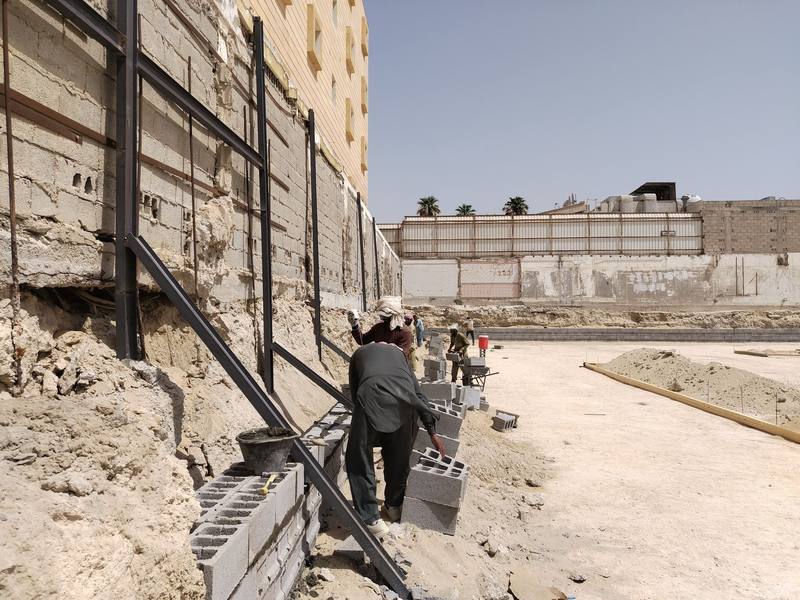
Retaining Wall Installation
New walls engineered for the slope, with drainage and compacted base, in block, stone, timber or concrete.
Learn more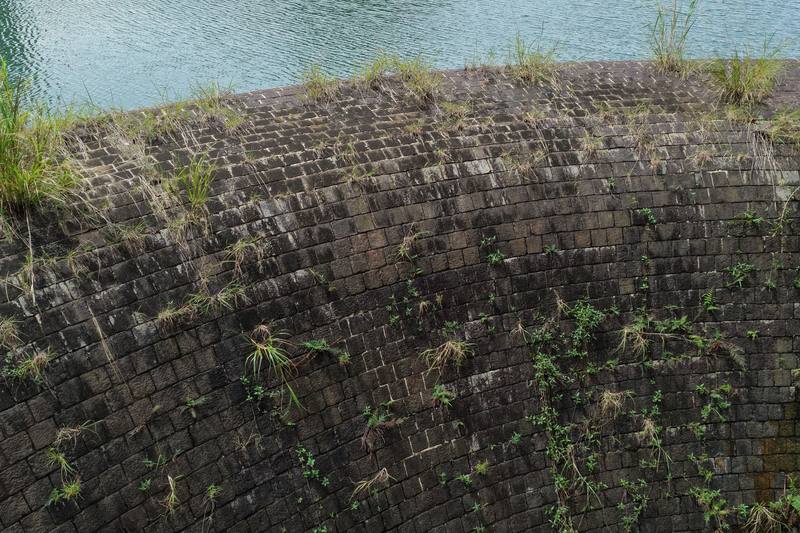
Retaining Wall Repair
Leaning, bulging or cracked walls assessed and rebuilt from the failed section out.
Learn more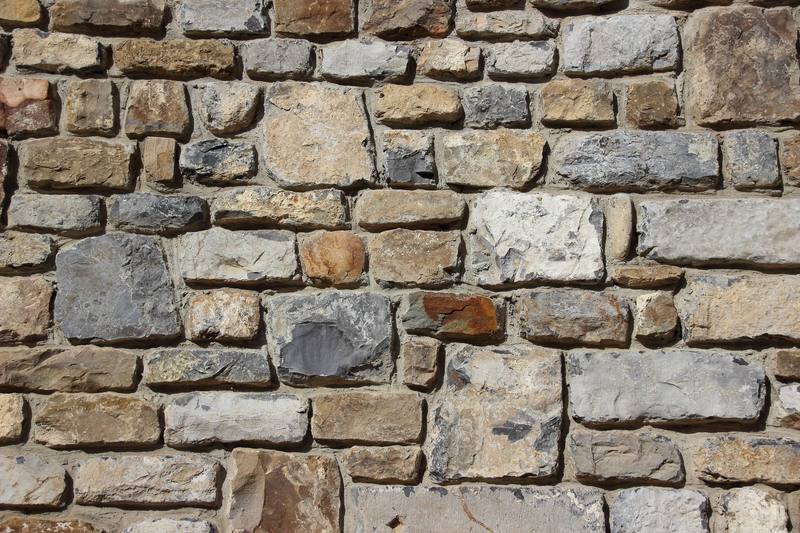
Block Retaining Walls
Segmental concrete block walls with geogrid where the height calls for it.
Learn more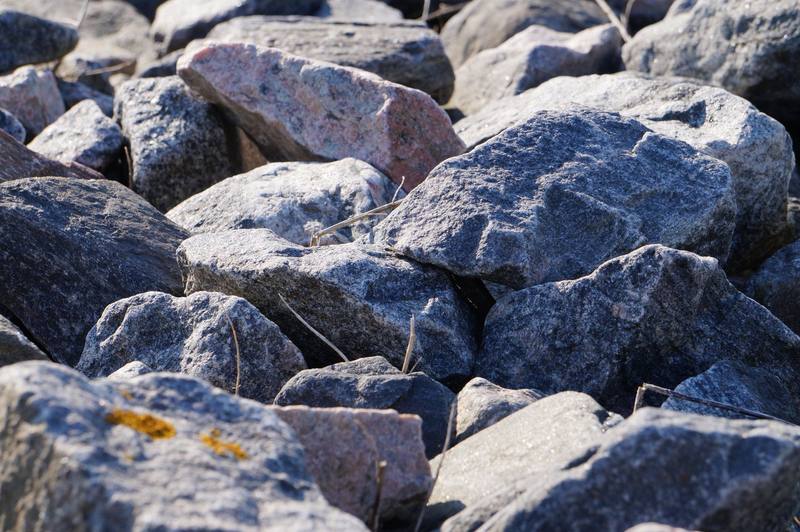
Boulder Retaining Walls
Natural stone set with an excavator for slopes, creek banks and large yards.
Learn more
Timber Retaining Walls
Treated timber walls for gardens and terraces, deadmen tied back into the slope.
Learn more
Concrete Leveling
Sunken slabs, steps and walks lifted back to level instead of replaced.
Learn more
Mudjacking
Slurry pumped under settled concrete to raise it and fill the void beneath.
Learn more
Sidewalk Repair
Trip edges and broken sections lifted, ground or replaced.
Learn more
Emergency Retaining Wall Repair
When a wall starts leaning, cracking or shedding soil after a storm, we come out quickly during business hours and tell you plainly what has to happen first.
Learn more
Get Started
Tell us about your slope or wall
Call us or send a short note with a photo of the area. We will set up a visit, look at the soil and drainage, and give you a written estimate.