Is concrete leveling worth it?
For a sunken slab that is still in one piece, yes, as long as the cause of the settling is fixed too.
A sidewalk section that has dropped at the front steps, or a patio that now tilts toward the house, makes most homeowners wonder whether to lift it or tear it out. Lifting is usually the better choice, but not always. Here is how to tell the difference on your own property in Sandy Springs.
The short answer
For most sunken slabs, leveling is worth it. If a sidewalk, patio, driveway section or porch step has dropped but the concrete itself is still sound, lifting it back into place is usually the sensible choice. You keep the slab you already paid for. The work is usually quicker and less disruptive than breaking out concrete, hauling it away and pouring new.
It stops being worth it in two situations. The first is when the slab is badly broken or crumbling at the surface. The second is when it is sinking because of a problem that leveling does not fix. If you lift a slab that sits over a washout from a leaking downspout, you only buy time until the soil moves again. So it is worth it when the concrete is sound and the cause can be dealt with. If either of those is missing, it is not.
What changes the answer on a real property
Three things decide it: the condition of the slab, the reason it sank, and what the slab does.
Start with condition. A slab with one or two clean cracks can be lifted and the cracks sealed. A slab broken into many pieces, or one with a flaking, pitted surface, will still look and wear like old concrete after it is level. At that point replacement is often the better use of your money.
The cause matters more than most people expect. Around Sandy Springs the soil under most homes is dense red clay. It swells when it is wet, shrinks in dry spells and washes out where water keeps running over the same spot. Summer thunderstorms drop a lot of water fast. On the sloped lots common across the area, that water finds the edge of a walkway or patio and works its way underneath. If a downspout empties right beside a slab, or the yard drains toward it, the soil will keep moving after the slab is lifted. Leveling lasts when the water problem is fixed first.
Large trees play a part too. Many older neighborhoods here have mature oaks and maples close to driveways and walks. Their roots can push up one side of a slab while they dry out the clay under the other side.
Then think about what the slab does. A sunken section of sidewalk at the front steps is a trip hazard and worth fixing soon. A patio that tilts toward the house sends rainwater at the foundation. A garage apron that has dropped a little may only be an annoyance. The more a slab affects safety or drainage, the easier the decision.
What you can check yourself
Before anyone comes out, a few minutes with a tape measure and a garden hose will tell you a lot.
Look at the joint where the sunken slab meets the next one. Measure the drop. Anything you could catch a toe on should be fixed. Next, run a hose onto the slab and watch where the water goes. Water that pools in the middle or runs toward the house tells you the slab is tilted the wrong way.
Walk along the edges. Gaps under the edge, or soil that has washed away from the side, point to erosion underneath. Follow each downspout and note where it empties and whether that water heads toward the slab. Check for large trees within a few feet. Finally, tap the surface with a hammer handle. A hollow sound over part of the slab suggests there is a void below.
Take a few photos while you do this. They make it much easier to describe the problem when you call.
When it needs a professional
Leveling itself is not a do-it-yourself job. It means drilling holes in the slab, pumping material under pressure and judging how much lift each section can take. Push too hard in one spot and you can crack a slab that was otherwise fine.
Call sooner rather than later in three cases: the slab sits against the house and has started to tilt toward it, the sunken area gets worse from one season to the next, or the settling is next to a retaining wall. On a hillside lot, a walkway or patio that drops along its downhill edge can mean the wall holding that soil is leaning or losing fill behind it. Then the wall needs attention before the slab, because concrete lifted on top of moving soil will not stay put.
How leveling fits with mudjacking and wall work
Concrete Leveling is the general term for raising a sunken slab back to its original height. Mudjacking is one way to do it. A cement-based slurry is pumped through small holes drilled in the slab. It fills the void underneath and pushes the concrete back up. It works well on sidewalks, patios, steps and driveway sections, and the material gives solid support where the soil has washed out.
We also build and repair retaining walls, so we look at the slab as part of the whole yard. A lot of the settling we see in Sandy Springs comes from soil moving on a slope. Sometimes the right order is Retaining Wall Repair first and leveling second. If a walkway is cracked and broken rather than just sunken, Sidewalk Repair may be the better fit. We will tell you which one we think the problem calls for.
What a visit involves
When we come out, we look at the slab, measure how far it has dropped, check the edges for washout and see where the water goes. We also look at any nearby walls or slopes that might be part of the problem. Then we explain what we think caused the settling, whether leveling makes sense and what else should be done so the slab stays level. If replacement is the better call, we will say so. You get an estimate before any work starts.
Related questions
Mostly that depends on whether the cause of the settling is fixed. If water is directed away from the slab and the soil underneath stays put, a leveled slab can stay level for many years. If water keeps running under it, it can sink again.
Mudjacking is one method of concrete leveling. A cement-based slurry is pumped under the slab through drilled holes to fill the void and raise the concrete. Concrete leveling is the broader term for any method that lifts a sunken slab.
Usually, if the slab is in a few large pieces and the surface is still sound. The cracks can be sealed after lifting. A slab broken into many small pieces, or one with a crumbling surface, is often better replaced.
The red clay common here swells when wet, shrinks when dry and washes out where water runs over the same spot. Heavy storms, sloped lots and downspouts that empty next to concrete all speed this up. Tree roots near walks and driveways add to it.
Yes, if water is running under or toward the slab. Moving a downspout outlet or regrading a small area is often enough. Leveling without fixing the water usually means the slab settles again.
Services
How we can help in Sandy Springs
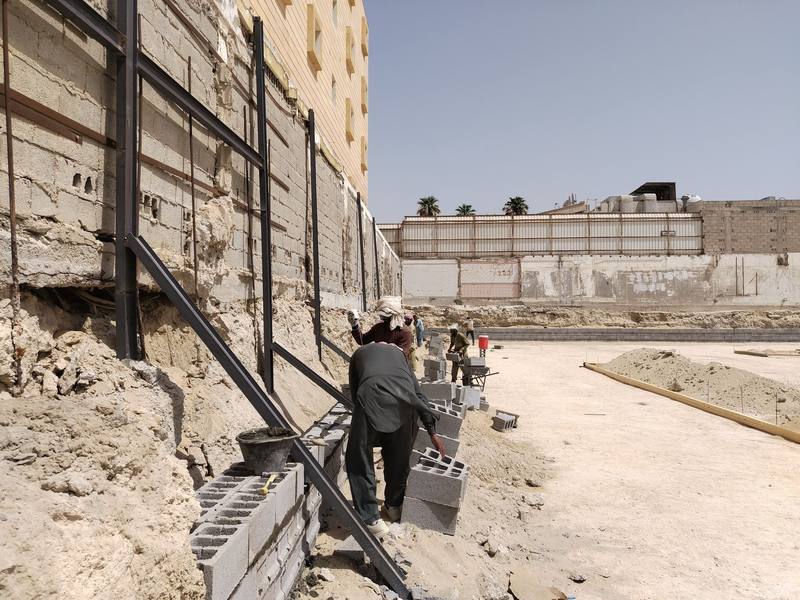
Retaining Wall Installation
New walls engineered for the slope, with drainage and compacted base, in block, stone, timber or concrete.
Learn more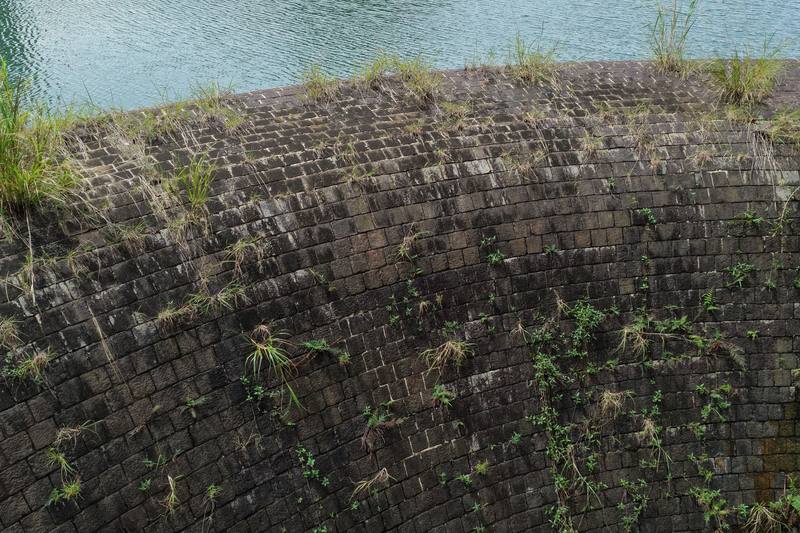
Retaining Wall Repair
Leaning, bulging or cracked walls assessed and rebuilt from the failed section out.
Learn more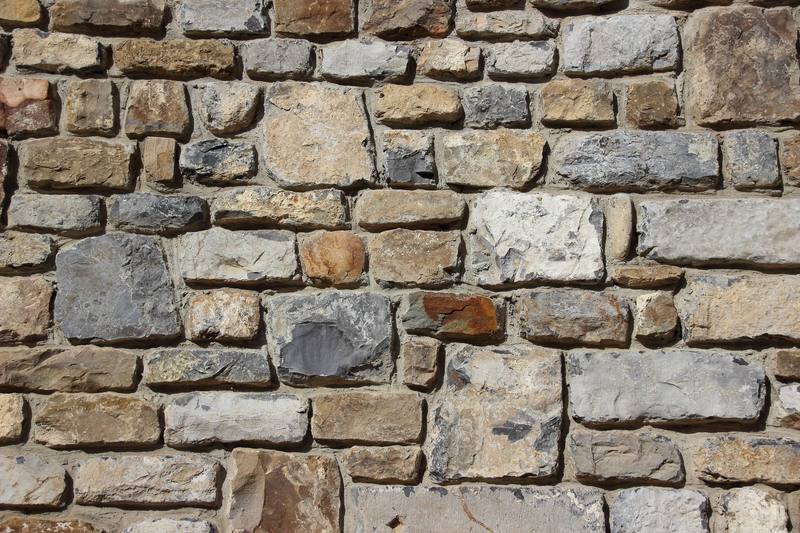
Block Retaining Walls
Segmental concrete block walls with geogrid where the height calls for it.
Learn more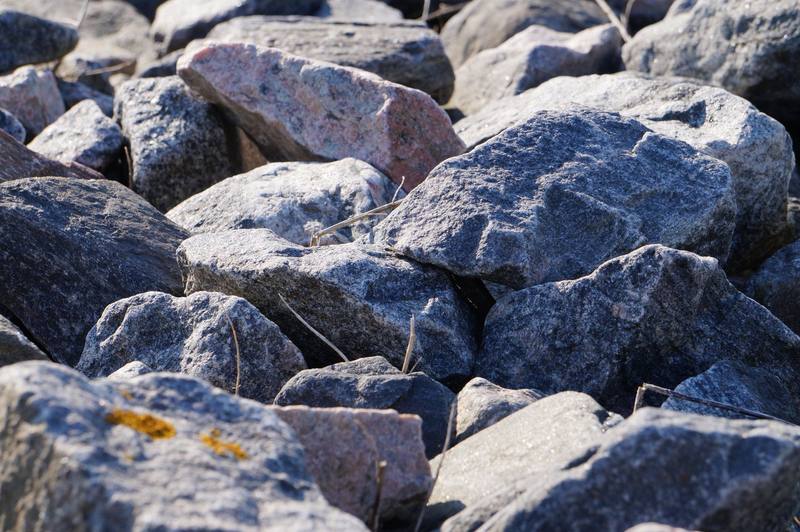
Boulder Retaining Walls
Natural stone set with an excavator for slopes, creek banks and large yards.
Learn more
Timber Retaining Walls
Treated timber walls for gardens and terraces, deadmen tied back into the slope.
Learn more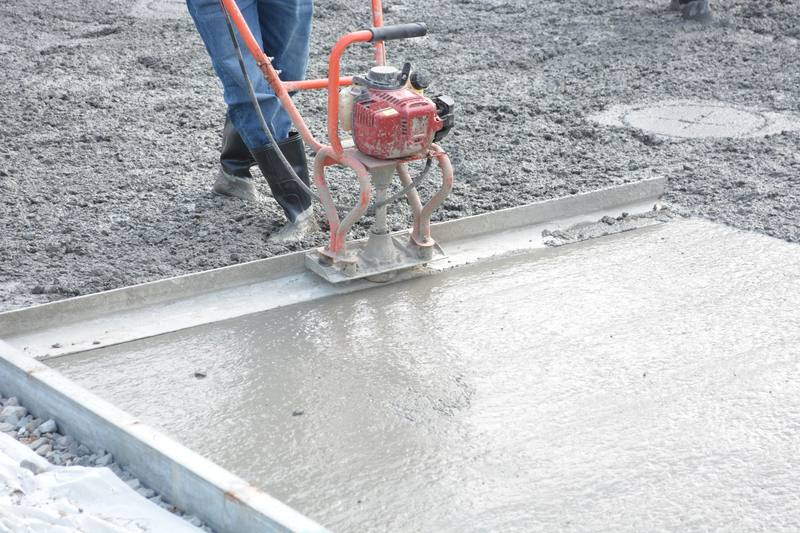
Concrete Leveling
Sunken slabs, steps and walks lifted back to level instead of replaced.
Learn more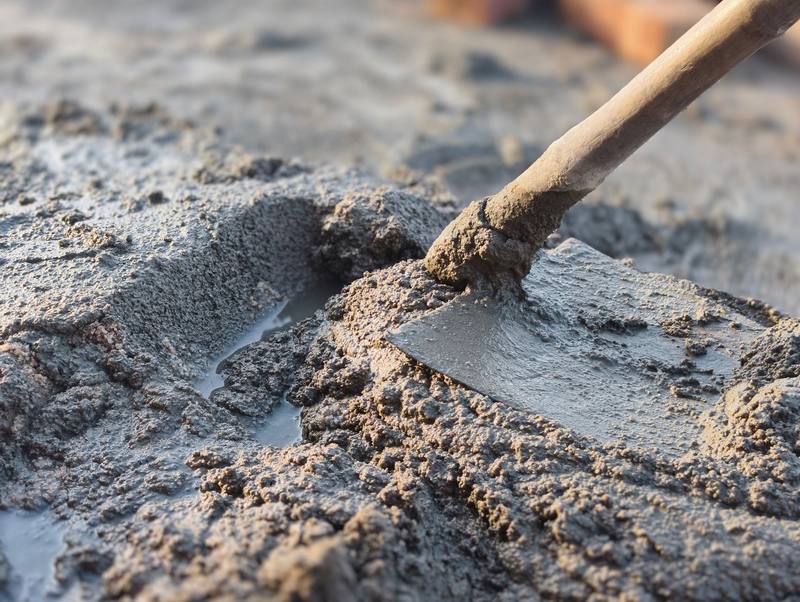
Mudjacking
Slurry pumped under settled concrete to raise it and fill the void beneath.
Learn more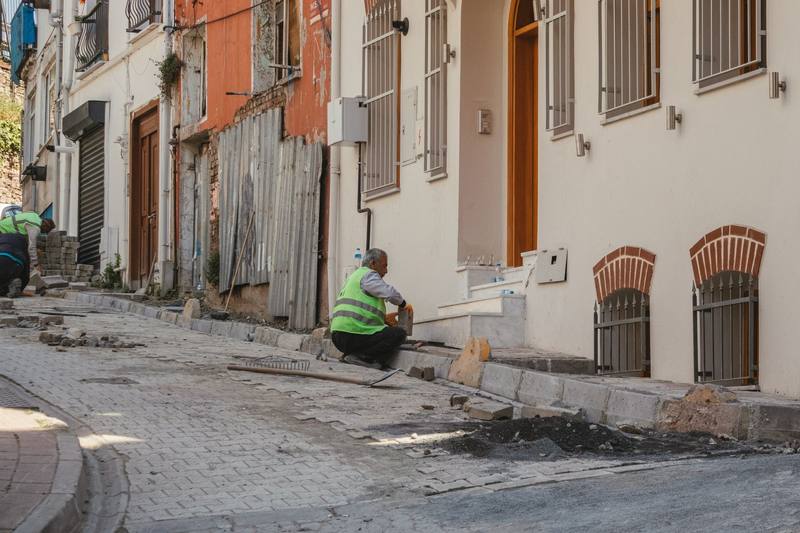
Sidewalk Repair
Trip edges and broken sections lifted, ground or replaced.
Learn more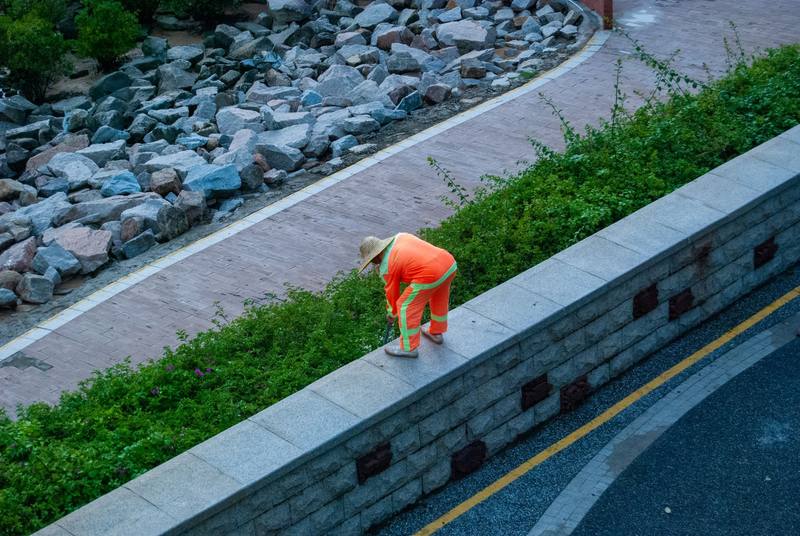
Emergency Retaining Wall Repair
When a wall starts leaning, cracking or shedding soil after a storm, we come out quickly during business hours and tell you plainly what has to happen first.
Learn more
Get Started
Tell us about your slope or wall
Call us or send a short note with a photo of the area. We will set up a visit, look at the soil and drainage, and give you a written estimate.