What type of contractor does retaining walls?
Retaining walls are usually built by a retaining wall or hardscape contractor, a crew whose main work is excavating soil, setting block or stone and managing drainage.
If you have a sloped yard, a leaning wall or a patch of lawn that keeps washing out, the first question is who to call. The short answer is a contractor who builds walls as their main work, but the details of your property can change that. Here is how to think it through before anyone starts digging.
The short answer
Retaining walls are usually built by a retaining wall contractor or a hardscape contractor. These are crews who work with block, stone, timber and concrete, and who spend most of their time excavating soil, setting base material and managing water. Some landscape companies build small walls as part of a planting job, and some general contractors hand the work to a subcontractor. For a wall that holds back real weight, you want the people whose main work is walls.
The reason is simple. A retaining wall is a structure, not a garden feature. It holds back soil that wants to move downhill, and that soil gets heavier when it is wet. The parts that decide whether a wall lasts are mostly hidden: the compacted base, the gravel behind the wall, the drain pipe at the bottom and, on taller walls, the grid that ties the wall back into the hill. A contractor who builds walls every week knows those details by habit.
What changes the answer on a real property
A short wall along a flower bed and a wall holding up the edge of a driveway are different jobs, and the right contractor can change with them.
Height matters most. A wall under knee height that edges a bed can be a small, simple build. Once a wall gets taller, it carries much more pressure, and many cities require a permit and a design stamped by an engineer above a set height. Your local permit office sets that number, so check before anyone digs.
What sits above the wall matters too. A driveway, a parked car, a pool, a shed or a steep slope above the wall all add load. Those walls need more depth, more reinforcement and more careful design than a wall with flat lawn behind it.
Soil and water come next. Around Sandy Springs, most yards sit on red clay. Clay holds water, swells when wet and drains slowly, which puts steady pressure on the back of a wall after every heavy storm. Many homes here sit on rolling, wooded lots with sloped backyards and downspouts that empty right where a wall would go. A good contractor will ask where the water comes from before talking about block colors.
Finally, the material changes who you call. Segmental block, natural boulders, timber and poured concrete each take different equipment and skills. Some crews only do one.
What you can check yourself
Before calling anyone, walk the wall or the slope and take a few notes. It makes the first conversation faster and more useful.
For an existing wall, look for: - Leaning: sight along the top. A wall that tips forward or bows out in the middle is moving. - Cracks: in block walls, look for blocks that have shifted or split. In concrete, look for cracks that are wider at one end than the other. - Soil or water at the base: mud washing out of the joints, or a wet line along the bottom after rain, usually means the drainage is blocked or was never there. - Drain outlets: look for weep holes or pipe ends near the base. If you cannot find any, make a note of it. - Timber condition: push a screwdriver into the lower timbers. Soft, crumbling wood means rot. - Settling above the wall: a dip in the lawn or a sinking patio behind the wall often points to soil washing through.
For a new wall, note roughly how high and how long it needs to be, what sits above it and where rainwater runs during a storm. Photos taken during a heavy rain are more useful than you might expect.
When it needs a professional
Some things are fine to watch. A small timber edging that has gone soft can wait for a dry season. Other signs should not wait.
Call a contractor soon if a wall is leaning more than it did last year, if a crack keeps getting wider, if blocks have pushed out of line, or if the wall holds up a driveway, a walkway or the corner of a house. Call right away if part of a wall has already fallen or if soil is moving after a storm. Keep children, pets and cars away from the base until someone has looked at it.
For new walls, bring in a professional for anything tall, anything with load above it, or anything on a steep or wet slope. These are the walls that need proper excavation, a compacted base, drainage stone and often reinforcement grid. A careful contractor will also tell you when a wall needs an engineer's design and a permit, and will not quietly skip that step.
A low decorative wall around a garden bed can be a weekend project for a handy homeowner. Anything holding back a hill is not.
How this connects to what we do
At Sandy Springs Retaining Walls, walls are our main work, and most calls fall into two groups. Retaining Wall Installation covers new walls, from a low block wall around a patio to a taller wall that turns a steep backyard into usable space. Retaining Wall Repair covers walls that are leaning, cracked, rotting or washing out. There, the first question is always whether the wall can be fixed or needs to be rebuilt.
A visit starts with a walk around the wall or slope. We look at the height, what sits above it, the soil and where the water goes. Then we explain what we would do and why, including when a smaller repair is all the wall needs. If you are in Sandy Springs or a nearby city and have a wall question, request a wall estimate and we will come and take a look.
Related questions
It depends on the height of the wall and what it supports. Many cities require a permit, and sometimes an engineer's design, once a wall passes a set height or holds up a load like a driveway. Check with your city's permit office before work starts, and ask your contractor how they handle it.
Some can, especially small garden walls. For a wall that holds back a slope, supports a driveway or stands more than a couple of feet tall, ask how often they build walls and how they handle the base and drainage. If the answers are vague, look for a crew that builds walls as their main work.
A wall with a blocked drain, a few loose blocks or a small section of failure can often be repaired. A wall that leans along most of its length, has rotted timbers throughout or was built without a proper base usually needs to be rebuilt. Someone has to look at the base and the drainage to tell the difference.
How a wall is built matters more than the material. Block, boulder and poured concrete walls can all last a long time with a good base and proper drainage behind them. Timber walls usually have the shortest life because the wood eventually rots, especially in wet clay soil.
Yes. Water trapped behind a wall adds weight and pressure, and it is one of the most common reasons walls lean or fail. Most walls need gravel behind them and a drain pipe at the base that lets water out.
Services
How we can help in Sandy Springs
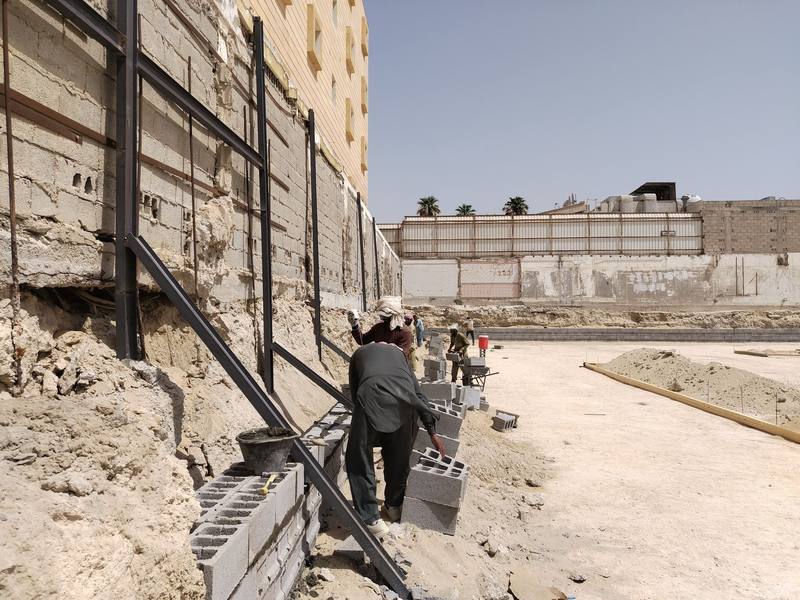
Retaining Wall Installation
New walls engineered for the slope, with drainage and compacted base, in block, stone, timber or concrete.
Learn more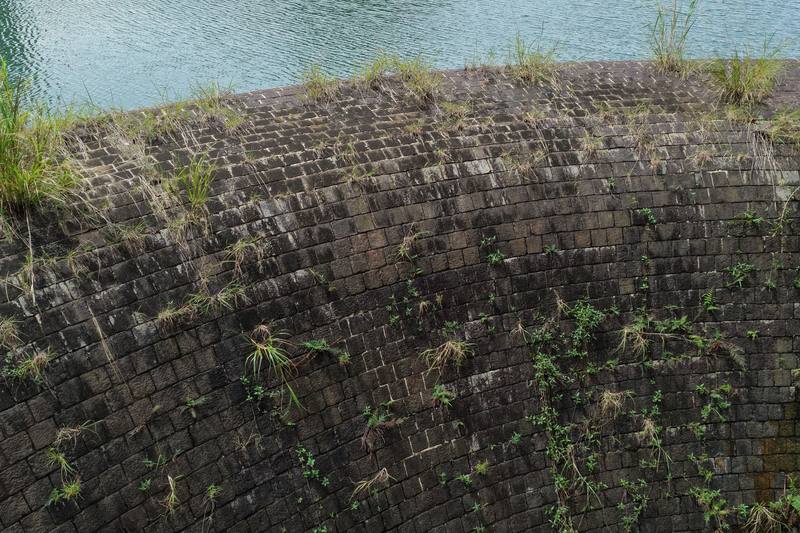
Retaining Wall Repair
Leaning, bulging or cracked walls assessed and rebuilt from the failed section out.
Learn more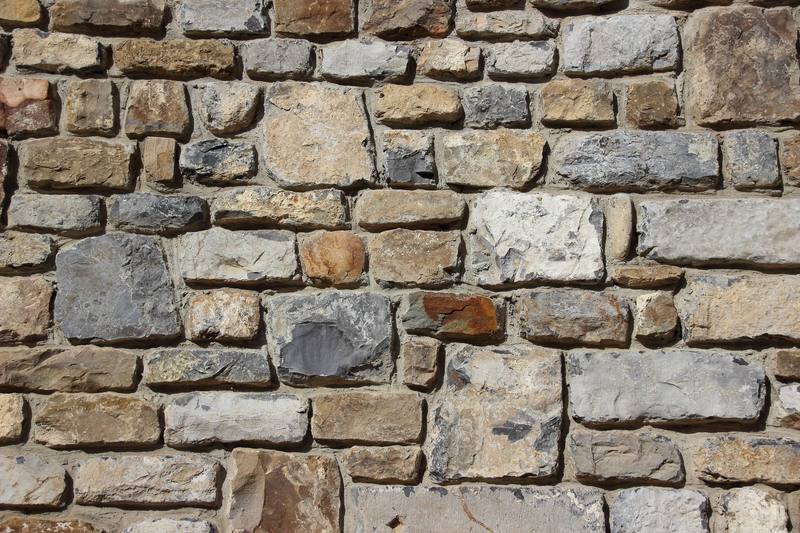
Block Retaining Walls
Segmental concrete block walls with geogrid where the height calls for it.
Learn more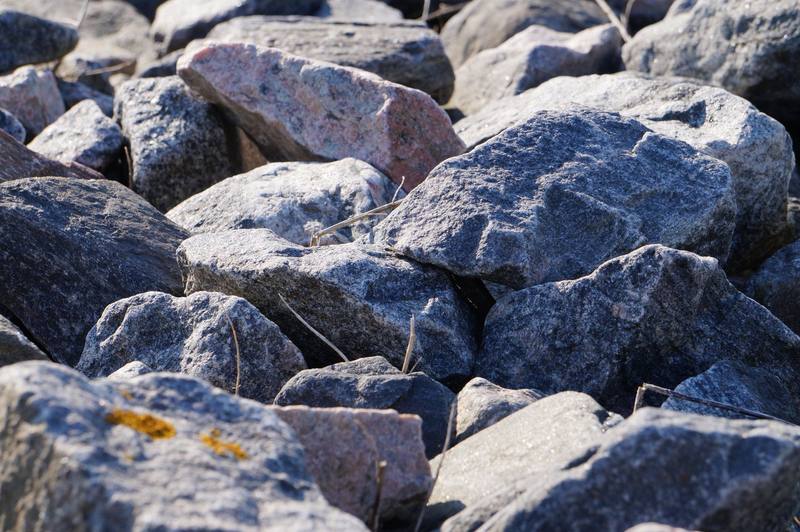
Boulder Retaining Walls
Natural stone set with an excavator for slopes, creek banks and large yards.
Learn more
Timber Retaining Walls
Treated timber walls for gardens and terraces, deadmen tied back into the slope.
Learn more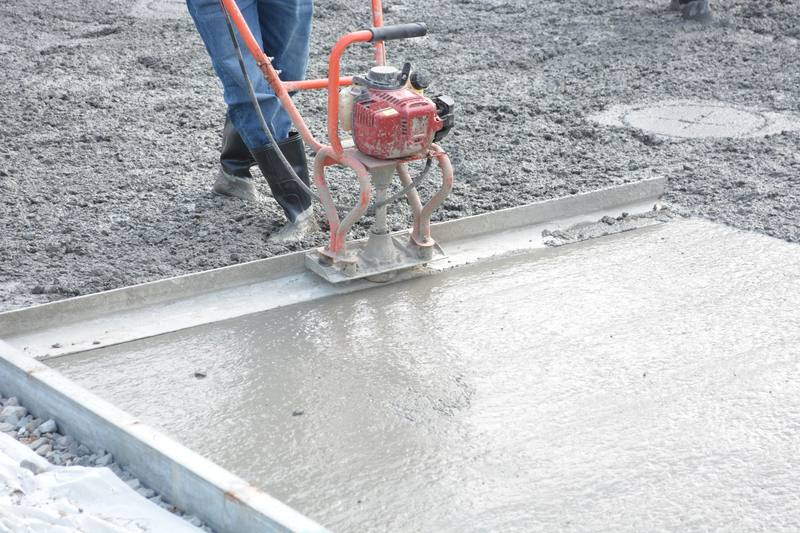
Concrete Leveling
Sunken slabs, steps and walks lifted back to level instead of replaced.
Learn more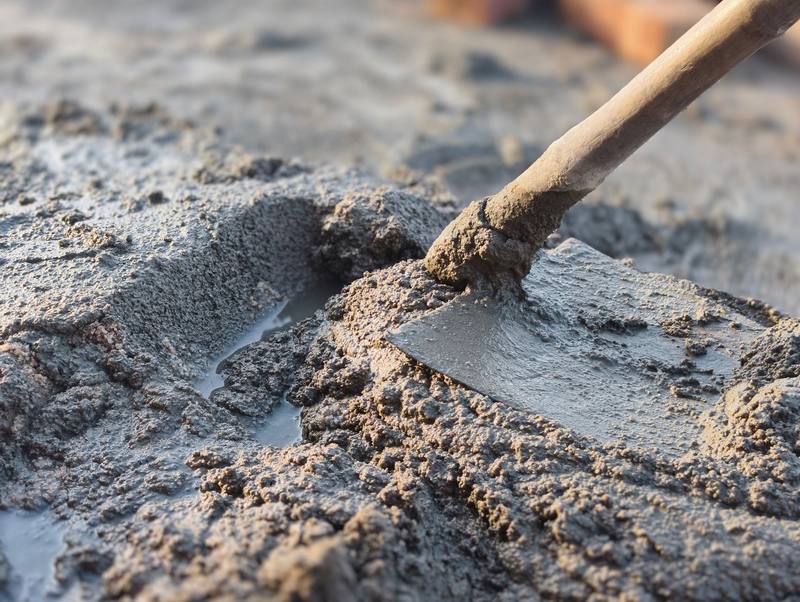
Mudjacking
Slurry pumped under settled concrete to raise it and fill the void beneath.
Learn more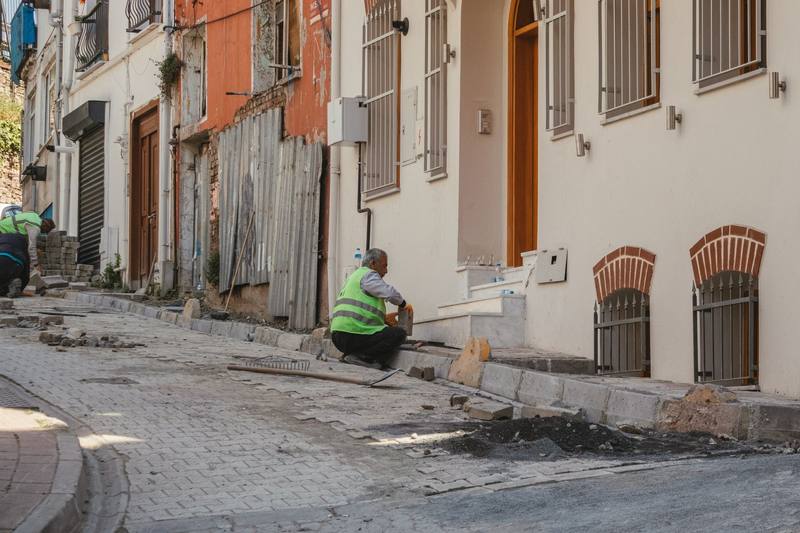
Sidewalk Repair
Trip edges and broken sections lifted, ground or replaced.
Learn more
Emergency Retaining Wall Repair
When a wall starts leaning, cracking or shedding soil after a storm, we come out quickly during business hours and tell you plainly what has to happen first.
Learn more
Get Started
Tell us about your slope or wall
Call us or send a short note with a photo of the area. We will set up a visit, look at the soil and drainage, and give you a written estimate.