Why is my retaining wall leaning?
A retaining wall leans when the soil behind it pushes harder than the wall was built to hold, and the usual cause is water trapped behind it, often made worse by a weak base or missing reinforcement.
A leaning retaining wall is one of the most common problems we see on sloped lots in and around Sandy Springs. The lean is a symptom, not the cause. Below is what usually causes it, what you can check yourself, and when it is time to have someone look at it.
The short answer
A retaining wall leans because the soil behind it is pushing harder than the wall was built to resist. In most cases the extra push comes from water. Soaked soil is much heavier than dry soil, and if the water has nowhere to go, it presses against the back of the wall after every heavy rain. Over months or years, that pressure tips the wall forward a little at a time.
The other common causes are a weak base, a wall built too tall for its design, and materials that have worn out. A leaning wall rarely fails for just one reason. Usually a drainage problem and a construction shortcut are working together.
What usually causes the lean
Drainage is the first thing we check. A properly built wall has a layer of gravel behind it, a perforated drain pipe along the bottom, and a way for that water to leave the site. Many older walls were backfilled with the same clay that was dug out, and that clay holds water like a sponge. On others the drain pipe has filled with silt, or it was never run to an outlet.
The base comes next. If the first course of block or timber was set on loose fill instead of compacted gravel, the bottom can settle unevenly and the whole wall rotates outward.
Height matters as well. Taller walls usually need geogrid, a mesh laid in layers back into the soil, or tiebacks called deadmen on timber walls. Without them the wall has only its own weight to hold the soil back, and past a certain height that is not enough.
Finally, look at what has changed above the wall. A new patio, a parked car, a shed or a downspout aimed at the slope all add weight or water the original builder may never have planned for. Tree roots can also push from behind as they grow.
What is different on a Sandy Springs property
Much of Sandy Springs sits on red Georgia clay over rolling and often steep ground, especially on lots that slope toward the Chattahoochee and its creeks. Clay drains slowly and swells when it is wet, so a wall here takes more pressure during a wet stretch than the same wall would in sandy soil. Our summer thunderstorms drop a lot of rain in a short time, and a wall with poor drainage feels every one of them.
The age of the house plays a part too. Many older homes in the area have pressure-treated timber walls along driveways and backyard terraces. Those timbers do not last forever, and as they soften the wall loses strength from the inside. Newer neighborhoods more often have segmental block walls. These hold up well when they are built correctly, but they show problems quickly if the backfill or drainage was skipped.
What you can check yourself
You do not need special tools to get a good read on your wall. Hold a long level or a straight board against the face. Many walls are built leaning slightly back into the slope on purpose, so a wall that now stands straight up or tips toward you has already moved.
Sight along the top from one end. A bulge in the middle usually means the pressure is concentrated there. Look for cracked block or mortar, split or soft timbers, and gaps opening between the wall and nearby steps, fences or driveways.
After a rain, look at the base. A little water seeping out of the face means the drainage is doing its job. A soggy lawn above the wall with a bone-dry face below suggests water is trapped behind it. Notice where your downspouts and sprinklers send their water.
Then make a pencil mark or drive a stake at the top corner, and take a dated photo from the same spot. Check again after the next few storms. A wall that has stopped moving calls for a different fix than one that is still moving.
When it needs a professional
Call someone if the lean is getting worse, if soil is washing out through gaps or under the base, if cracks are widening, or if the wall holds up a driveway, a building or the ground near your foundation. Taller walls need attention sooner because they hold back more soil and fail with more force. Walls above a certain height may also need a permit and an engineered design, so check with the city before anyone rebuilds.
Until the wall has been looked at, keep children, pets and vehicles away from both the top and the bottom. Turn any downspouts that empty onto the slope above it, and do not pile soil, mulch or firewood behind it.
Repair or rebuild
Not every leaning wall has to come down. If the lean is slight, the base is sound and the cause is clear, Retaining Wall Repair may be enough. That can mean opening up the back of the wall, replacing clay backfill with gravel, installing or clearing a drain, and resetting the top courses. Short sections of a block wall can often be taken down and rebuilt on a proper base with the same block.
When the base has failed, the timbers are rotten, or the wall was simply built too tall for its design, a patch usually buys only a little time. Then Retaining Wall Installation makes more sense: a new wall built with the drainage, base and reinforcement the site needs.
When we visit, we walk the wall, check the lean and the drainage, look at what sits above it, and explain what we find in plain terms. If the wall can be repaired, we will say so. Use Request a Wall Estimate to set up a time.
Related questions
It can be, depending on how tall the wall is, how fast it is moving and what sits above or below it. A low garden wall with a slight lean is usually not urgent. A taller wall that is still moving, or one holding up a driveway or sitting near the house, should be looked at soon. Keep people and vehicles away from it until then.
Usually not in a way that lasts. Pushing a wall back does nothing about the water and soil pressure that tipped it in the first place. The lasting fix is to take down the affected section, correct the base and drainage, and rebuild it.
Yes. Almost every retaining wall needs gravel backfill and a way for water to escape, either through a drain pipe at the base or through openings in the wall. In clay soil like ours this matters even more, because clay holds water against the back of the wall. Missing or clogged drainage is the most common reason walls lean.
Timber weakens slowly from the inside as it absorbs moisture and starts to rot, so a wall can look solid until it suddenly begins to move. Tiebacks that anchor the wall into the slope can rot too. If the timbers feel soft when you press a screwdriver into them, repair is often no longer practical and a new wall is the better choice.
Services
How we can help in Sandy Springs
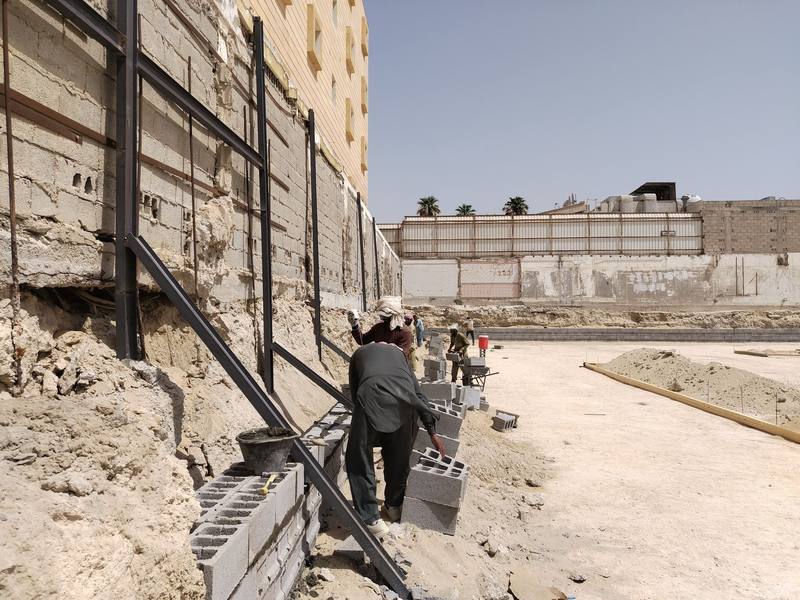
Retaining Wall Installation
New walls engineered for the slope, with drainage and compacted base, in block, stone, timber or concrete.
Learn more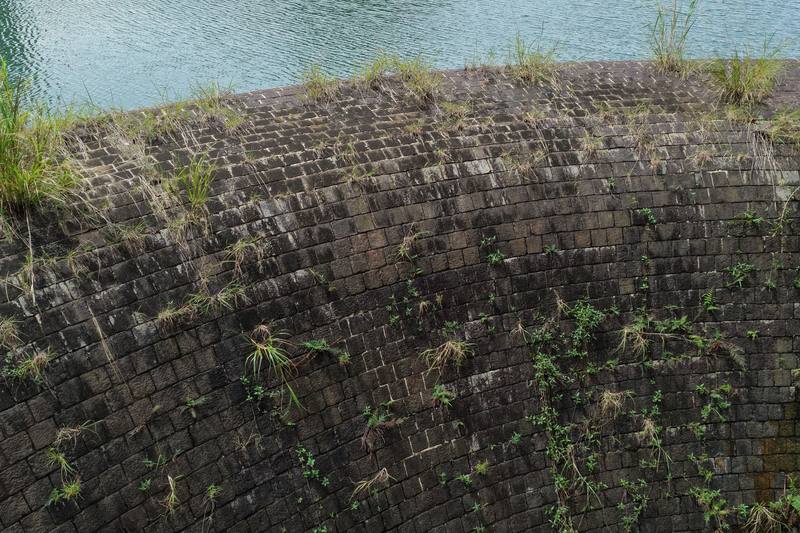
Retaining Wall Repair
Leaning, bulging or cracked walls assessed and rebuilt from the failed section out.
Learn more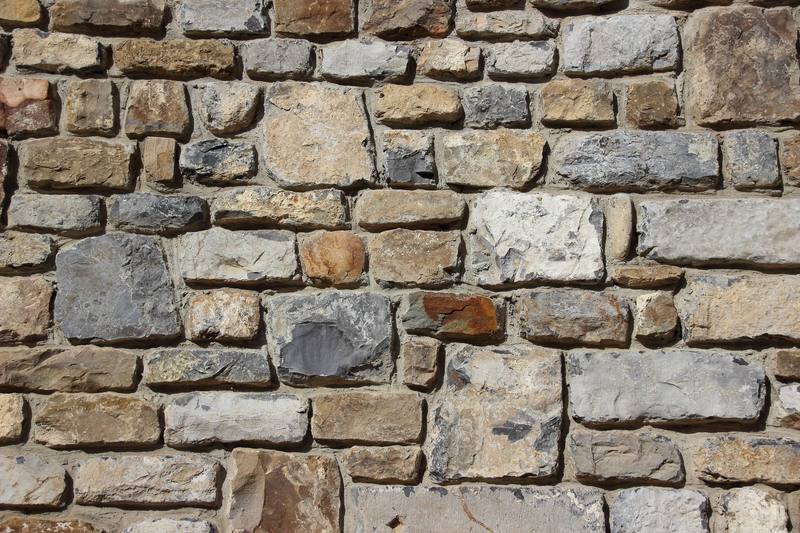
Block Retaining Walls
Segmental concrete block walls with geogrid where the height calls for it.
Learn more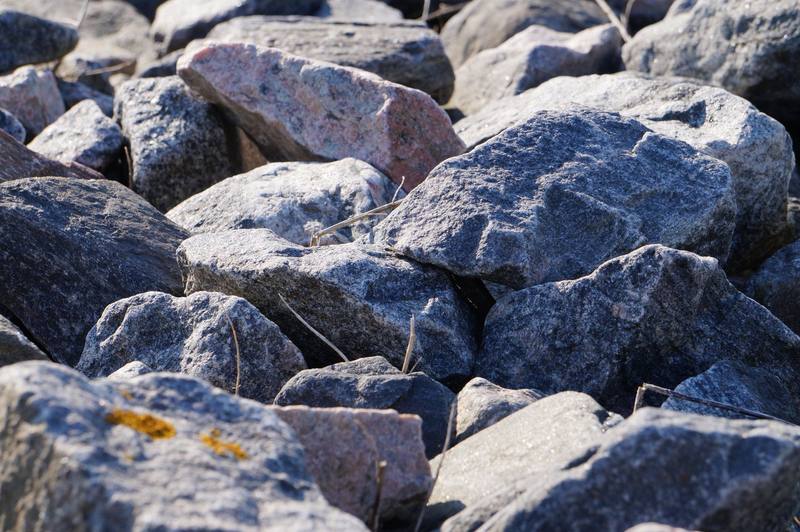
Boulder Retaining Walls
Natural stone set with an excavator for slopes, creek banks and large yards.
Learn more
Timber Retaining Walls
Treated timber walls for gardens and terraces, deadmen tied back into the slope.
Learn more
Concrete Leveling
Sunken slabs, steps and walks lifted back to level instead of replaced.
Learn more
Mudjacking
Slurry pumped under settled concrete to raise it and fill the void beneath.
Learn more
Sidewalk Repair
Trip edges and broken sections lifted, ground or replaced.
Learn more
Emergency Retaining Wall Repair
When a wall starts leaning, cracking or shedding soil after a storm, we come out quickly during business hours and tell you plainly what has to happen first.
Learn more
Get Started
Tell us about your slope or wall
Call us or send a short note with a photo of the area. We will set up a visit, look at the soil and drainage, and give you a written estimate.